Cooking Guides
Understanding Different Cuts of Beef and How to Cook Them
Choosing the right cut of beef can make just as much difference to a meal as the seasoning or cooking method. A beautifully marbled ribeye steak needs a very different approach from a beef shank, brisket or chuck roast.
Some cuts are naturally tender and cook quickly, while others contain more connective tissue and develop their best texture through slower cooking or pressure cooking.
Understanding these differences makes it easier to shop confidently, avoid disappointing results and get more out of whichever cooking appliance you use.
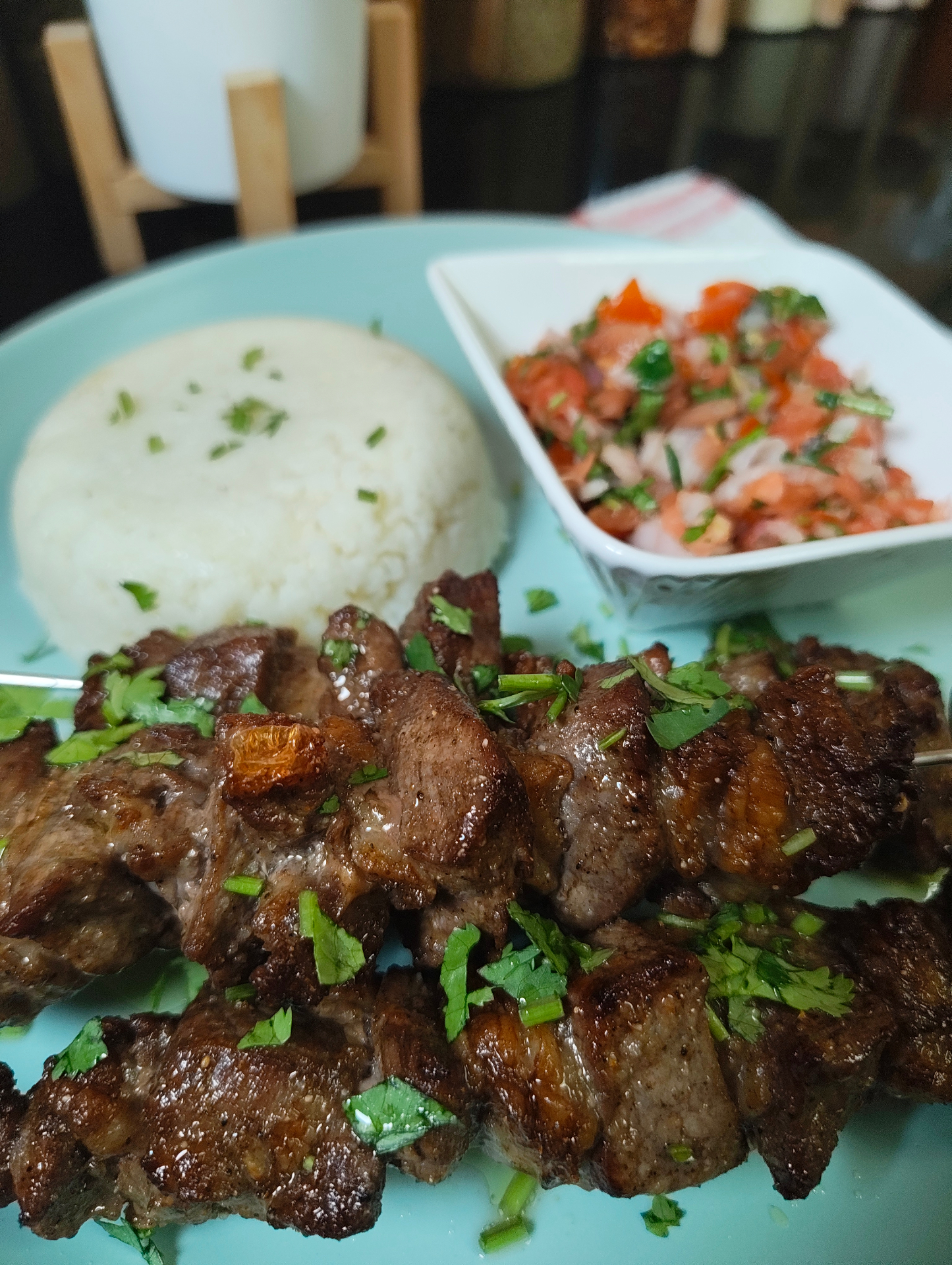
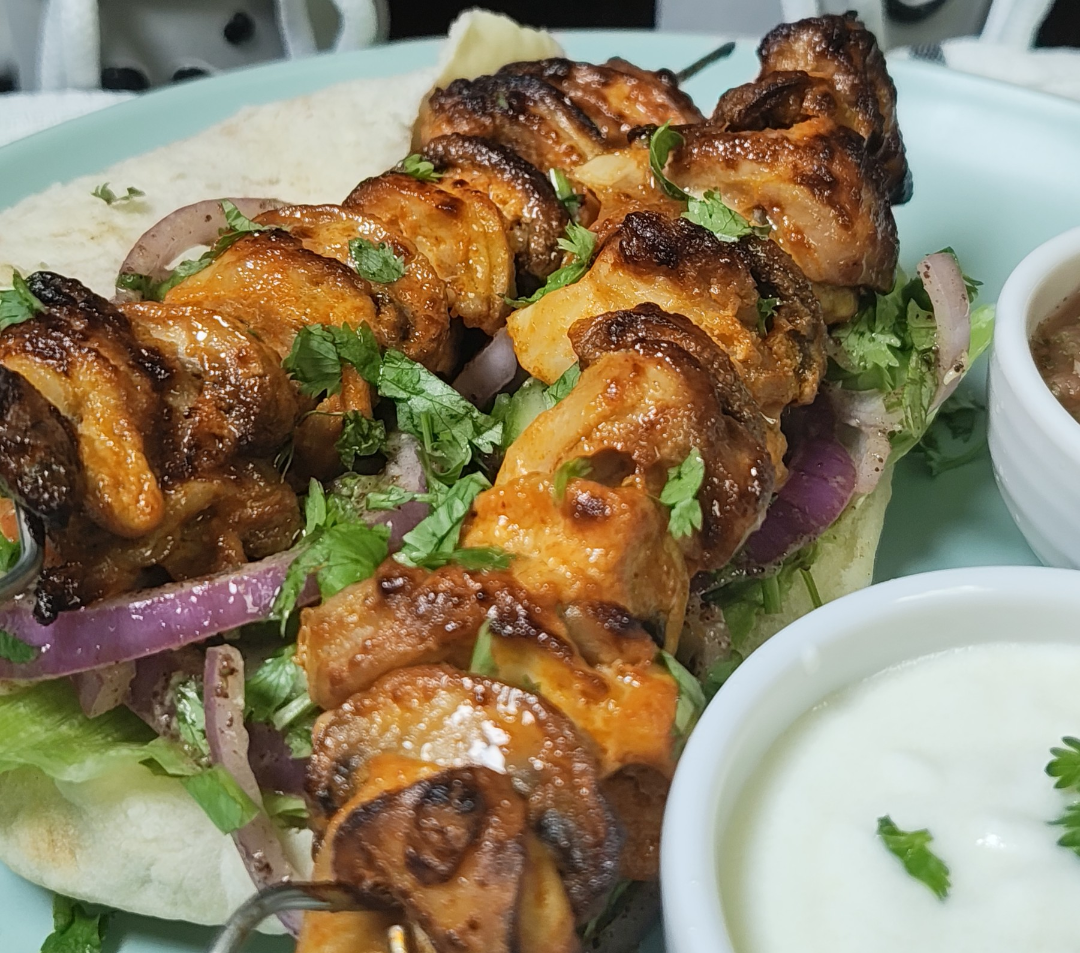
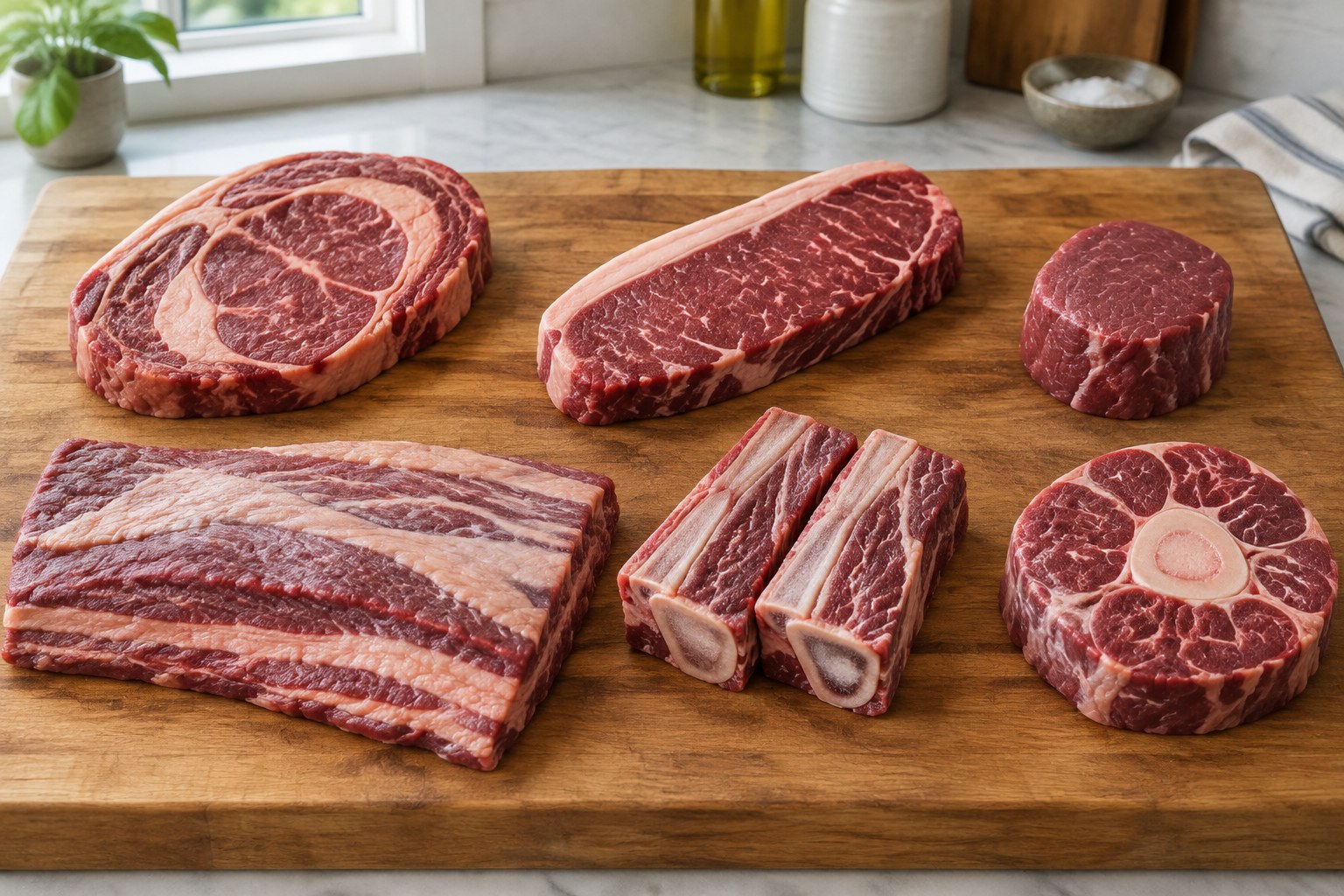
The images in this guide are AI-generated editorial illustrations.
By Esther LackiePublished
Understanding the Different Parts of Beef
Beef cuts come from different muscles, and those muscles do not all do the same amount of work. The shoulder and legs support movement and weight, whereas some muscles along the back do less work. More active muscles generally contain more connective tissue, although the individual muscle, ageing, preparation and meat quality also affect tenderness.
Connective tissue contains collagen. With sufficient time and suitable cooking conditions, collagen converts into gelatin, helping a braise or stew develop a softer texture and a fuller cooking liquid. Brief cooking does not produce the same change.
Fat within the muscle is called marbling. It contributes flavour and a richer eating experience as it renders. An outer strip of fat is different from marbling, and neither automatically makes every cut tender. Lean cuts can still be naturally tender, while a well marbled cut may also contain substantial connective tissue.
The diagram shows approximate anatomical regions rather than individual supermarket portions. Cutting boundaries vary between butchery systems. Tenderloin is an internal muscle running beneath the backbone through parts of the short loin and sirloin; it is not a separate large surface region.
- Chuck and shoulder: the front shoulder, supplying many flavourful braising cuts, as well as some individually tender steaks.
- Rib: the upper middle back, supplying ribeye and rib roasts.
- Short loin: behind the rib, supplying striploin and bone-in T-bone and porterhouse steaks.
- Sirloin: farther back along the loin, before the hindquarter. The exact meaning of this name varies by country.
- Tenderloin or fillet: a relatively little-used, lean internal muscle beneath the backbone.
- Round and hindquarter: the rear leg and surrounding muscles, supplying firmer cuts such as topside and silverside. Rump terminology and boundaries vary.
- Brisket: the lower chest near the front legs, containing substantial connective tissue.
- Plate: the underside below the rib area; short ribs and skirt steak can come from this area, although short rib names also cover other origins.
- Flank: the lower abdominal area toward the rear, supplying flank steak.
- Shank: the lower portions of the front and hind legs, rich in connective tissue.
Source: Beef. It’s What’s For Dinner., Beef cuts and primal regions

A Quick Guide to Beef Cuts and Cooking Methods
These are recommended starting approaches, not the only ways to cook each cut. The exact portion, thickness, preparation and desired texture matter. In particular, conventional braising short ribs behave differently from thinly cut ribs prepared for quick grilling.
| Cut | Characteristics | Recommended cooking methods |
|---|---|---|
| Ribeye | Rich marbling and naturally tender texture | Air frying, grilling, pan searing |
| Striploin | Tender with a firm texture and often an external fat strip | Air frying, grilling, pan searing |
| Sirloin | Generally leaner than ribeye with a good beef flavour | Air frying, grilling, pan searing |
| Tenderloin or fillet | Exceptionally tender and relatively lean | Pan searing, air frying, roasting |
| T-bone | Striploin and tenderloin separated by a bone | Grilling, pan searing, air frying where appliance size permits |
| Porterhouse | Similar to T-bone with a larger tenderloin portion | Grilling, pan searing, roasting |
| Rump | Firm texture and pronounced beef flavour | Grilling, pan searing, roasting |
| Chuck | Rich flavour with variable fat and connective tissue | Braising, pressure cooking, slow cooking |
| Brisket | Substantial connective tissue | Slow roasting, smoking, braising, pressure cooking |
| Beef shank | Collagen rich cut from the leg | Pressure cooking, braising, slow cooking |
| Short ribs | Rich, often well marbled, with connective tissue | Braising, pressure cooking, slow roasting |
| Flank steak | Lean with long, visible muscle fibres | Quick grilling, pan searing, slicing against the grain |
| Skirt steak | Pronounced beef flavour and visible muscle fibres | Quick grilling, pan searing |
| Topside | Relatively lean hindquarter cut | Controlled roasting, thin slicing |
| Silverside | Firm, relatively lean hindquarter cut | Gentle roasting or moist cooking, depending on preparation |
| Oxtail | Bone, connective tissue and rich flavour | Pressure cooking, braising, slow cooking |
- Ribeye
- Characteristics: Rich marbling and naturally tender texture
- Recommended cooking methods: Air frying, grilling, pan searing
- Striploin
- Characteristics: Tender with a firm texture and often an external fat strip
- Recommended cooking methods: Air frying, grilling, pan searing
- Sirloin
- Characteristics: Generally leaner than ribeye with a good beef flavour
- Recommended cooking methods: Air frying, grilling, pan searing
- Tenderloin or fillet
- Characteristics: Exceptionally tender and relatively lean
- Recommended cooking methods: Pan searing, air frying, roasting
- T-bone
- Characteristics: Striploin and tenderloin separated by a bone
- Recommended cooking methods: Grilling, pan searing, air frying where appliance size permits
- Porterhouse
- Characteristics: Similar to T-bone with a larger tenderloin portion
- Recommended cooking methods: Grilling, pan searing, roasting
- Rump
- Characteristics: Firm texture and pronounced beef flavour
- Recommended cooking methods: Grilling, pan searing, roasting
- Chuck
- Characteristics: Rich flavour with variable fat and connective tissue
- Recommended cooking methods: Braising, pressure cooking, slow cooking
- Brisket
- Characteristics: Substantial connective tissue
- Recommended cooking methods: Slow roasting, smoking, braising, pressure cooking
- Beef shank
- Characteristics: Collagen rich cut from the leg
- Recommended cooking methods: Pressure cooking, braising, slow cooking
- Short ribs
- Characteristics: Rich, often well marbled, with connective tissue
- Recommended cooking methods: Braising, pressure cooking, slow roasting
- Flank steak
- Characteristics: Lean with long, visible muscle fibres
- Recommended cooking methods: Quick grilling, pan searing, slicing against the grain
- Skirt steak
- Characteristics: Pronounced beef flavour and visible muscle fibres
- Recommended cooking methods: Quick grilling, pan searing
- Topside
- Characteristics: Relatively lean hindquarter cut
- Recommended cooking methods: Controlled roasting, thin slicing
- Silverside
- Characteristics: Firm, relatively lean hindquarter cut
- Recommended cooking methods: Gentle roasting or moist cooking, depending on preparation
- Oxtail
- Characteristics: Bone, connective tissue and rich flavour
- Recommended cooking methods: Pressure cooking, braising, slow cooking
Choose the method for the specific cut and preparation, not just its name.
Understanding Individual Beef Cuts
The groups below are useful when choosing a meal, but they are not rigid categories. Different muscles sold under a broad name can behave differently.
Naturally Tender Cuts for Quick Cooking
These cuts generally suit shorter cooking methods that brown the outside without unnecessarily drying the centre. Whole tenderloin and larger rib cuts can also be roasted.
Ribeye
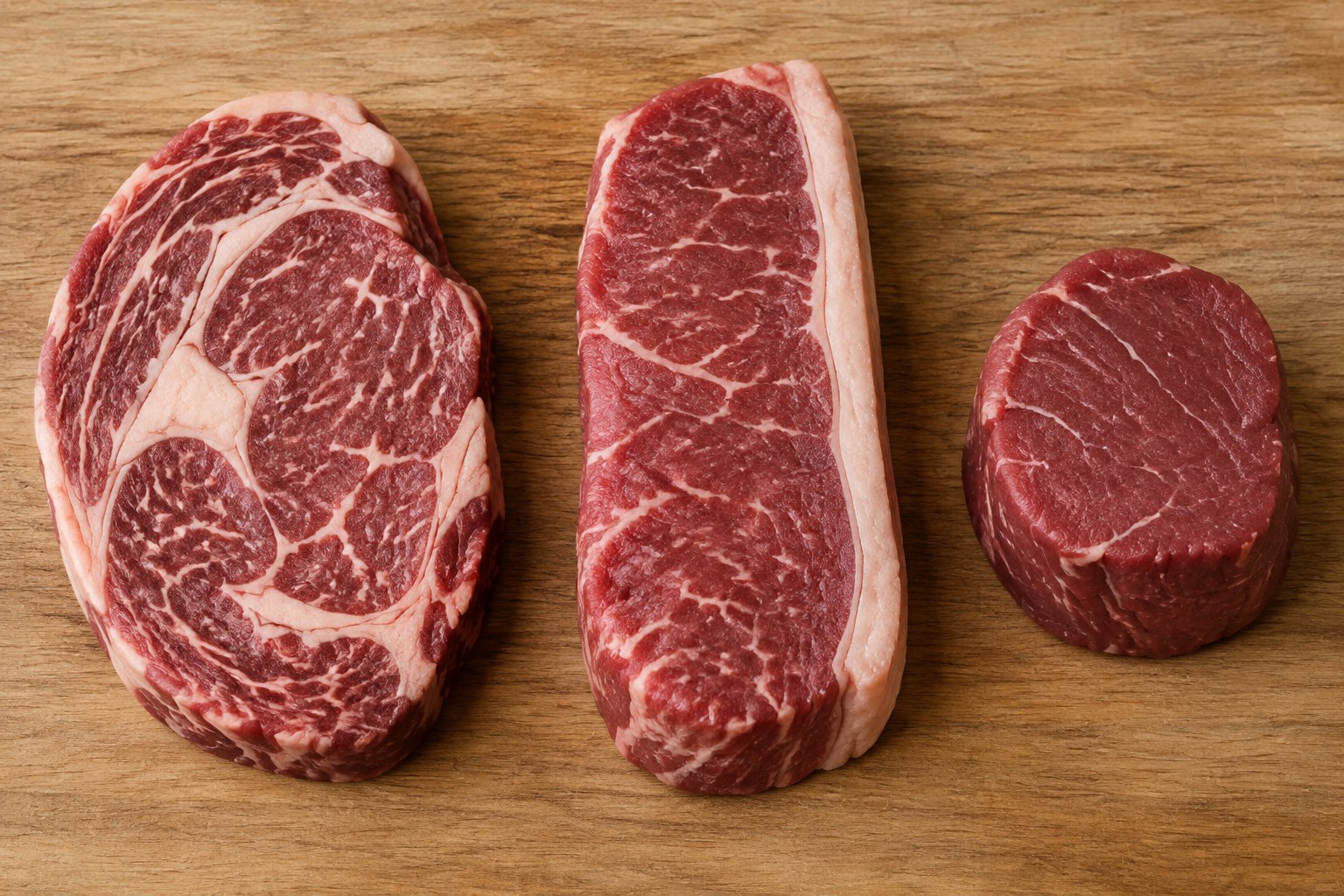
Ribeye comes from the rib region. It is usually naturally tender, with visible marbling and a rich beef flavour. It suits grilling, pan searing and air frying when the steak fits comfortably in the basket.
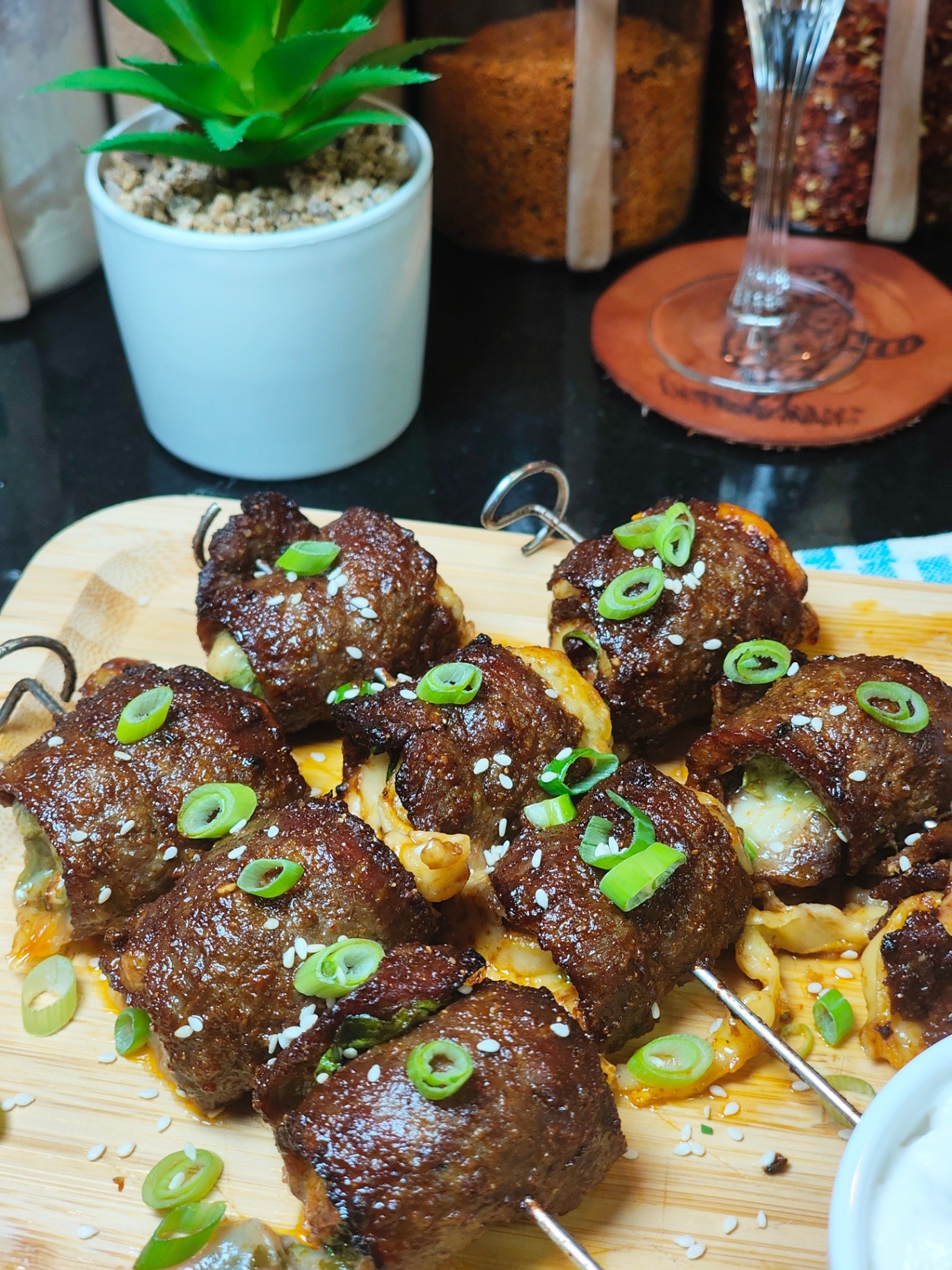
Avoid excessive cooking and do not assume a heavily browned surface tells you the internal temperature. Rendered fat can drip, so manage grill flare ups and keep the air fryer clean according to its instructions. Serve with vegetables, potatoes or a fresh salad; Easy Air Fryer Beef Skewers is a published ribeye example.
Striploin
Striploin comes from the short loin. It has a tender but firmer bite than fillet, good beef flavour and often a fat strip along one edge. New York strip is a common American name for a steak from this cut.
Grilling, pan searing and air frying work well for suitable steak portions. An outer fat strip may need attention to render, but extending the entire cook just to soften that fat can overcook the lean meat. Serve sliced with vegetables or a pepper sauce.
Sirloin
Sirloin generally offers a good beef flavour with less marbling than ribeye, although fat levels vary. In American butchery it refers to an area farther back than the short loin; British sirloin naming often overlaps what Americans call strip loin. Check the actual portion rather than assuming the names are identical.
Appropriate sirloin steaks suit air frying, grilling and pan searing. Watch the internal temperature rather than leaving a lean steak exposed to heat for too long. Serve with a salad, roast vegetables or as evenly sized skewers.
Tenderloin or Fillet
Tenderloin lies beneath the backbone and does relatively little work. It is exceptionally tender, comparatively lean and usually milder in flavour than a well marbled ribeye. Fillet is the familiar British name.
Medallions suit pan searing and air frying; a larger tenderloin can be roasted. Its tenderness does not protect it from drying out when overcooked. Pair it with a sauce, mushrooms or vegetables rather than relying on prolonged cooking to add flavour.
T-bone
A T-bone steak is cut across the short loin and contains striploin and a smaller tenderloin portion separated by a T-shaped bone. It combines the firmer, beefier strip side with the softer fillet side.
Grilling and pan searing suit it; air frying is an option only when the steak fits with enough space for circulation. The two muscles can cook at different rates. Check the meat away from the bone, and avoid extending the cook until the smaller fillet portion is dry. Serve carved into slices alongside vegetables or potatoes.
Porterhouse
Porterhouse is also a bone-in short loin steak, but has a larger tenderloin portion than a T-bone under American steak classifications. In some countries, porterhouse is used differently, so inspect the packaging or ask the butcher.
Grilling, pan searing or an appropriately controlled roasting approach can suit this often substantial steak. Thickness matters more than the name alone. Check both meat portions without touching the bone with the thermometer, then rest and carve for sharing.
Leaner and Firmer Cuts
These cuts often offer good beef flavour and value. Controlling heat exposure and carving well matter, especially when long muscle fibres are visible. Firm does not mean unsuitable for quick cooking, but the preparation needs to match the cut.
Rump
Rump comes from the rear hip or hindquarter area, with definitions varying between countries. It tends to have a firmer bite and pronounced beef flavour; its separate muscles can differ in tenderness. Suitable rump steaks can be grilled, pan seared or air fried, while an appropriate larger portion can be roasted.
Avoid treating every rump portion as equally tender. Carve against the grain and serve in slices with vegetables, rice or a salad.
Flank Steak
Flank comes from the abdominal area toward the rear. It is lean, with long, easily seen muscle fibres. Quick grilling or pan searing can work well, followed by thin slicing across the grain.
Extended dry cooking can make it chewy. A marinade can add flavour but does not remove the need for suitable cooking and carving. Serve thin slices in wraps, salads or rice bowls.
Skirt Steak
Skirt is associated with the diaphragm and plate area. It has a strong beef flavour, visible fibres and variable fat, and is often thinner and looser textured than flank. Quick grilling or pan searing is a useful approach.
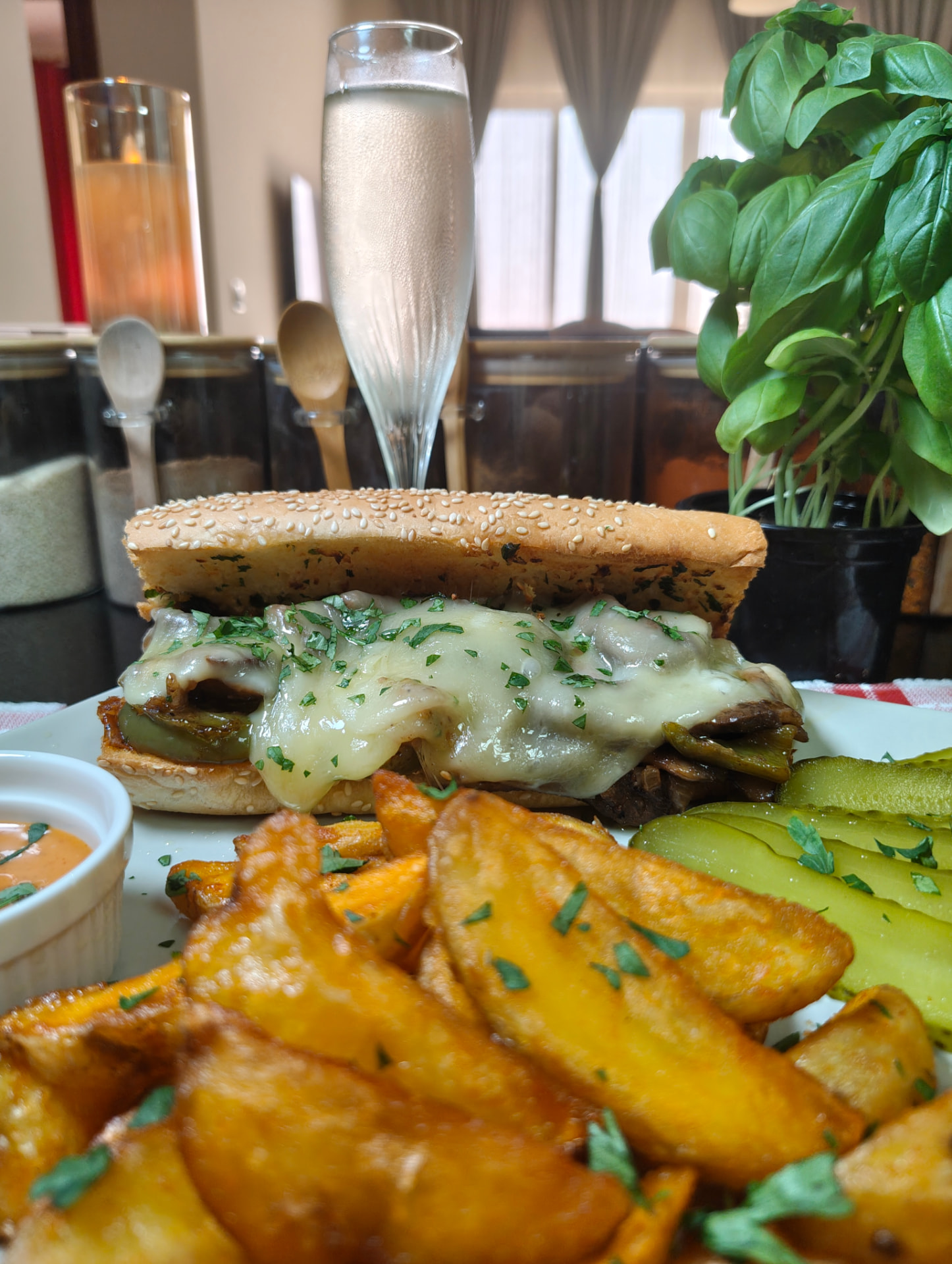
Do not leave thin skirt steak cooking as though it were a thick roast. Identify the grain and cut across it. Philly Cheesesteak Sandwich uses thinly sliced skirt steak, while Air Fryer Spinach and Cheese Stuffed Beef Skewers shows another published preparation.
Topside
Topside is a relatively lean hindquarter cut, broadly associated with parts of the round. Controlled roasting and thin carving can make a useful roast dinner.
Very high heat throughout a long cook can dry the lean meat. Choose a recipe for the particular roast size and use a thermometer. Serve thinly sliced with vegetables and gravy.
Silverside
Silverside is a firmer, relatively lean hindquarter cut with external connective tissue that may be removed or prepared by the butcher. It is also sold in cured forms for dishes such as corned beef.
Gentle roasting or moist cooking may suit it, depending on whether it is fresh, cured and how it has been prepared. Follow a recipe for that preparation rather than treating every silverside joint as an interchangeable steak. Thin slices with vegetables and cooking juices are a practical serving option.
Cuts Suited to Longer Cooking
Sustained cooking helps collagen convert into gelatin. A cut can reach a safe internal temperature before it becomes soft enough for a braise or shredded beef dish, so food safety and tenderness are separate checks.
Chuck
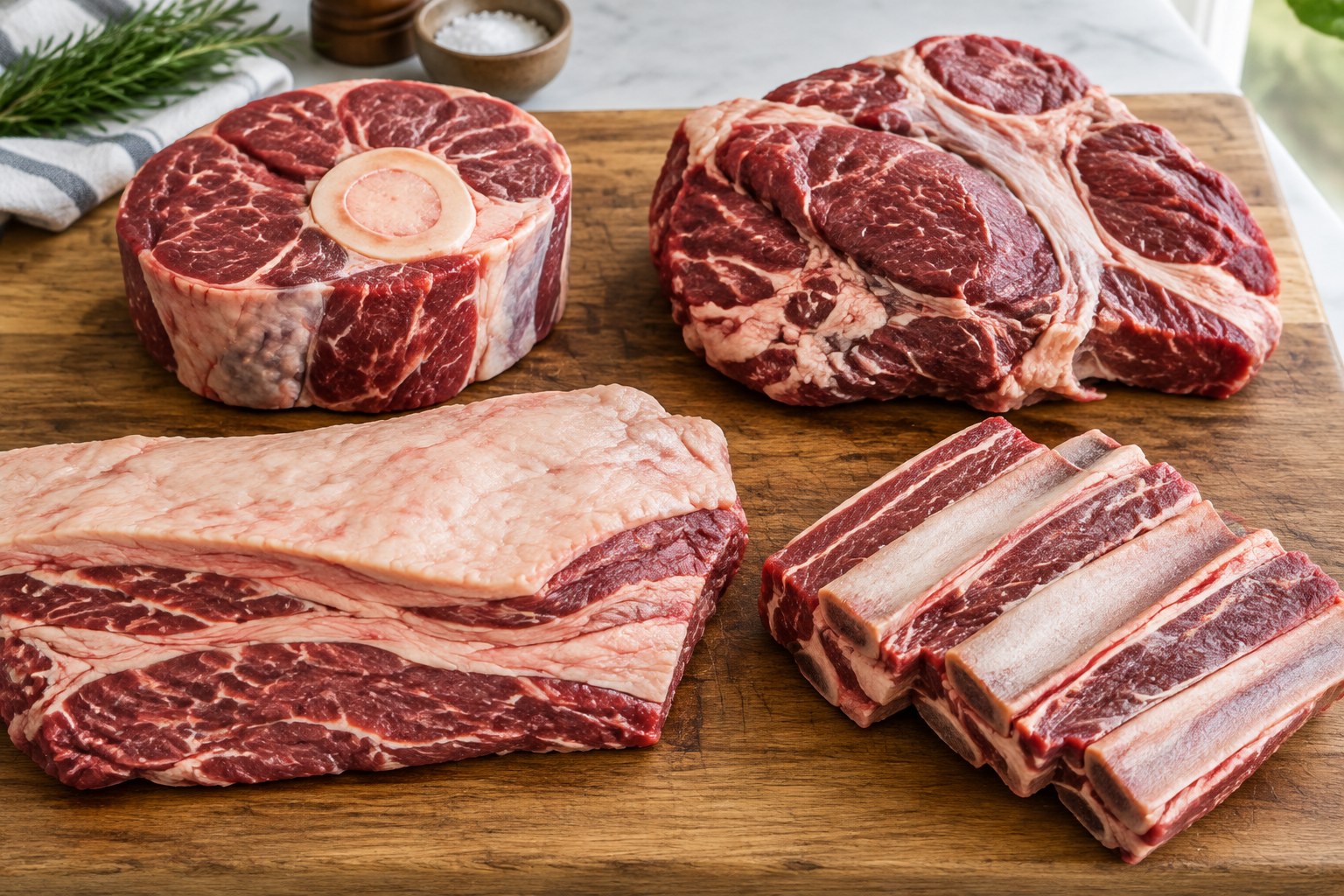
Chuck comes from the shoulder and includes several muscles with different fat levels and connective tissue. Conventional chuck roasts are flavourful choices for braising, pressure cooking and slow cooking. Some specifically separated chuck steaks, such as flat iron, are naturally tender and should not be treated like a whole braising roast.
A chuck braise needs enough time for the intended texture. Serve it in a stew or shred a suitable cooked roast for sandwiches or bowls.
Brisket
Brisket comes from the lower chest and contains substantial connective tissue. Its flat and point portions differ in fat distribution. Slow roasting, smoking, braising and pressure cooking can all work when the technique suits the piece.
A quick dry cook usually leaves conventional brisket tough. Allow adequate time and protect it from excessive moisture loss. Slice across the grain for a sliced dish, or follow a method intended for pulled beef.
Beef Shank
Beef shank comes from the lower leg. Bone-in cross cuts often show a central marrow bone surrounded by working muscle and connective tissue. Pressure cooking, braising and slow cooking are useful ways to develop a softer texture and rich sauce.
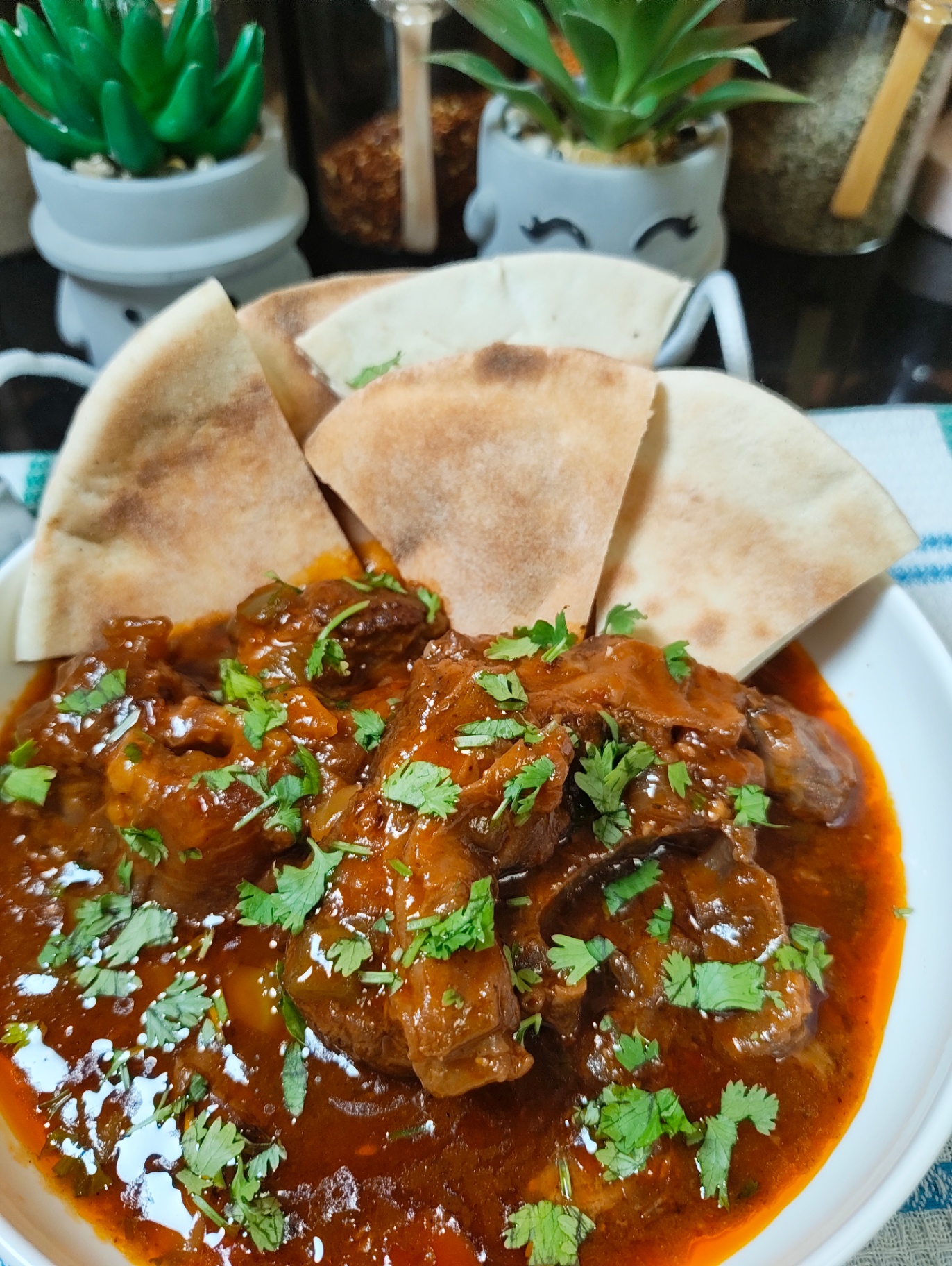
Check tenderness as well as temperature. Instant Pot Beef Shanks in Rich Pepper Gravy is a genuine Lackie Flavors recipe demonstrating pressure cooking followed by gravy reduction.
Short Ribs
Short ribs can come from the plate, chuck or rib areas, depending on the butchery system and product. They are often rich and well marbled, with connective tissue and bone. Conventional thick braising portions suit braising, pressure cooking or slow roasting.
Do not apply those methods indiscriminately to thin cross-cut ribs sold for quick grilling. Match the recipe to the actual portion. Serve a tender braise with potatoes, rice or vegetables and its cooking liquid.
Oxtail
Oxtail is the tail, cut into bone-in sections containing meat, connective tissue and variable fat. It develops rich flavour through pressure cooking, braising or slow cooking.
Stopping as soon as the meat reaches a safe temperature may leave it firm. Cook for the tenderness required, then serve in a stew or with a sauce made from the cooking liquid.
The Best Cuts of Beef for an Air Fryer
Naturally tender steaks and smaller, evenly sized pieces are generally better suited to quick air frying than conventional braising cuts. Ribeye, appropriate sirloin and striploin steaks, tenderloin medallions, suitable rump steaks, steak bites and skewers can work well.
Thickness affects how quickly the centre heats. Pat the surface dry for better browning, season to suit the dish and use oil in moderation where the preparation calls for it. Leave space in the basket rather than stacking meat together. Marbling and outer fat affect rendering, and dripping fat needs attention to the appliance cleaning guidance.
Rest whole steaks appropriately after cooking and check doneness with a thermometer. Air fryer models differ in airflow, basket size and heating performance, so there is no single temperature and timing that works for every cut. How to Cook Beef in an Air Fryer explores different arrangements; Air Fryer Cooking Times and Common Air Fryer Mistakes provide broader context.
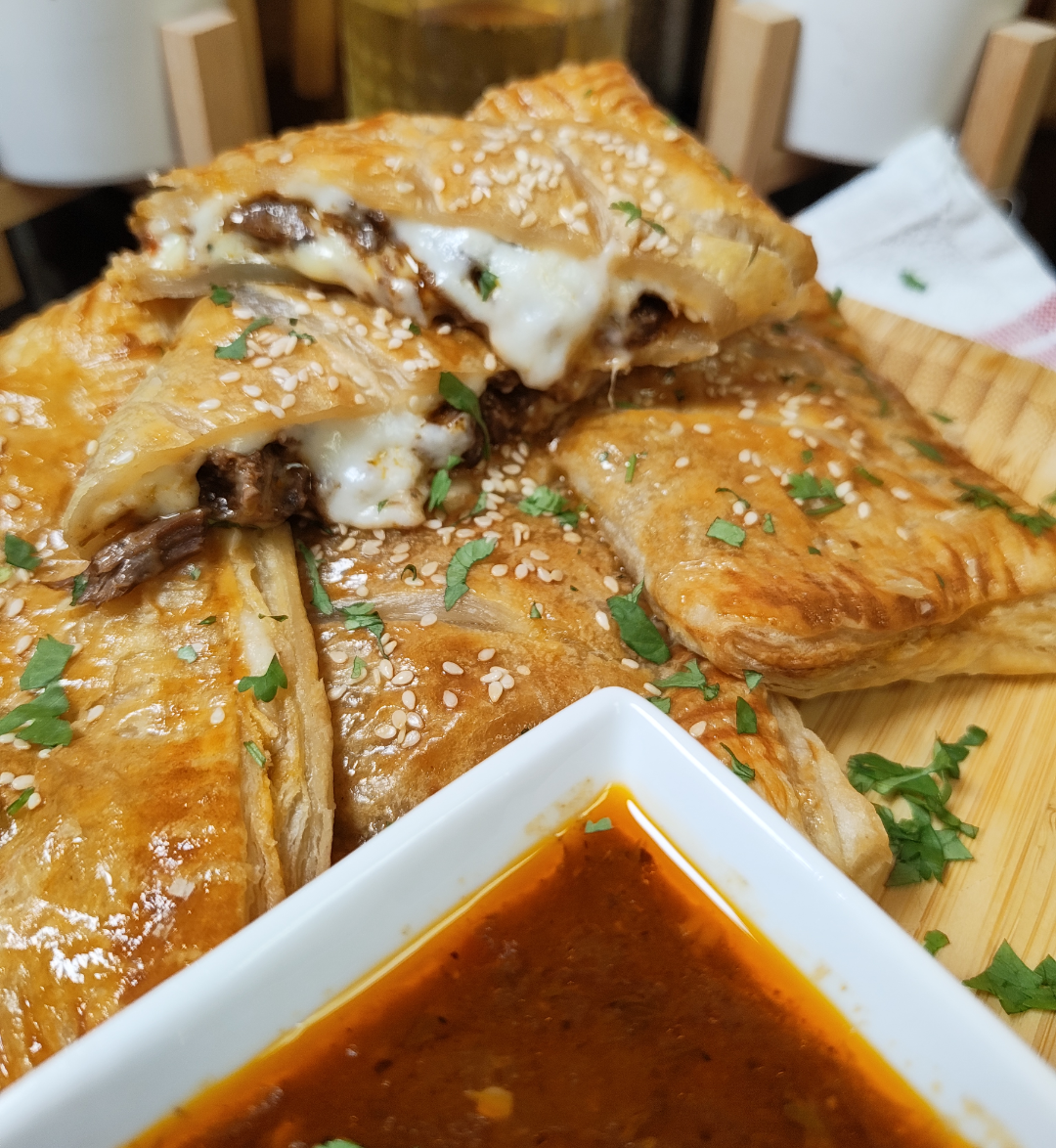
Beef shank, brisket and conventional thick braising short ribs are generally unsuitable for quick, dry air frying. They may be pressure cooked or braised first, then finished briefly in an air fryer for browning when a suitable recipe calls for it. Air Fryer Beef and Double Cheese Puff Pastry Hot Pockets uses already cooked shank as a filling, rather than cooking raw shank in a brief pastry stage.
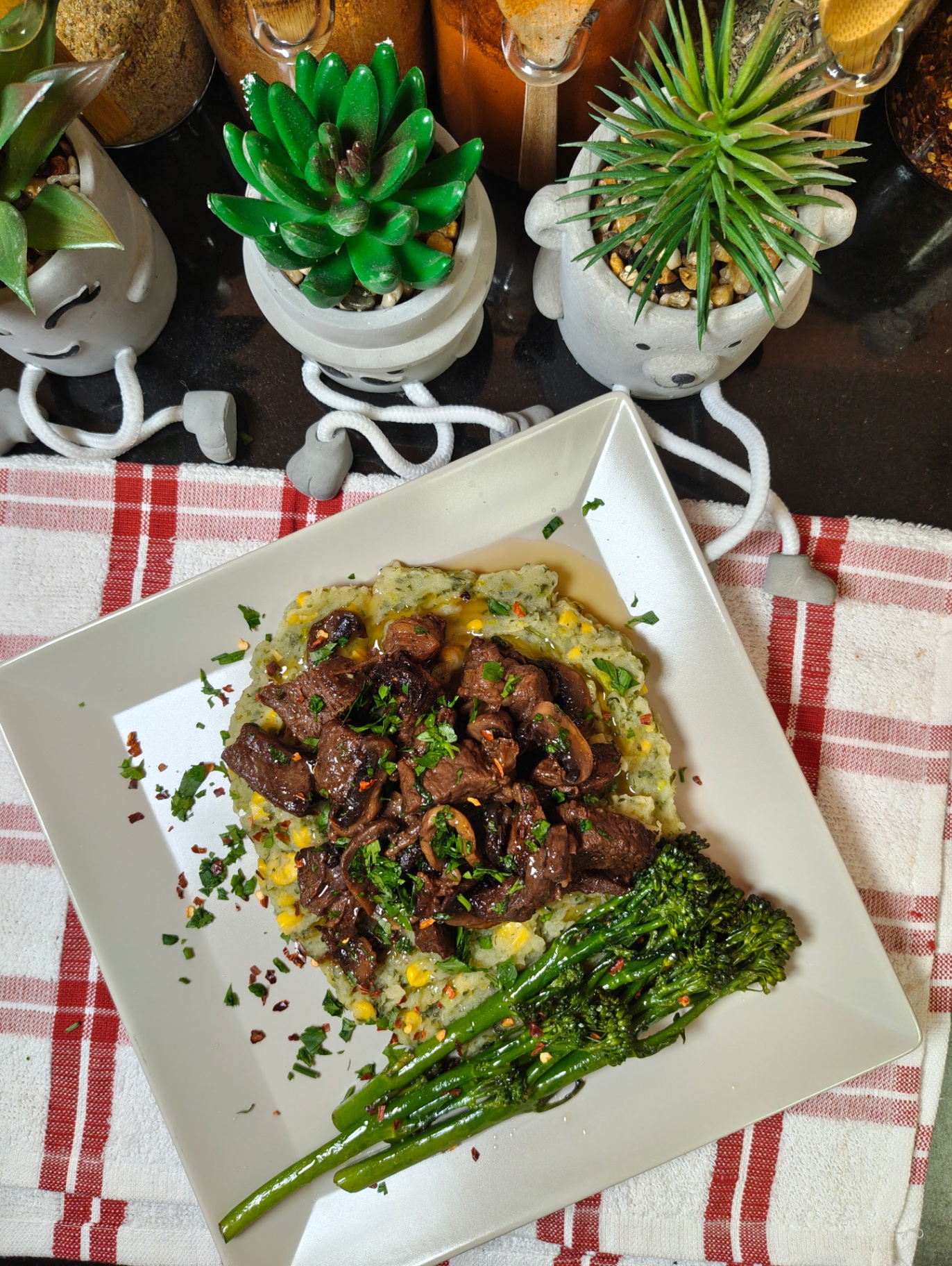
For another preparation using smaller pieces, see Air Fryer Umami Butter Beef & Mushrooms. Cooking Marinated Foods in an Air Fryer explains how coatings and surface moisture affect results. For already cooked leftovers, How to Reheat Food in an Air Fryer Without Drying It Out discusses retaining moisture during reheating.
The Best Cuts of Beef for Pressure Cooking
Beef shanks, conventional chuck braising cuts, brisket, short ribs, oxtail and suitable stewing beef are useful choices. Pressure cooking can shorten the time needed to tenderise collagen rich cuts compared with conventional braising, but it does not make every portion tender at the same speed.
Use adequate cooking liquid and follow the appliance-specific minimum liquid requirement. A sauce that is thick enough for serving is not necessarily suitable as the only liquid at the start of pressure cooking. Follow instructions for deglazing and keeping the pot within its safe fill limits.
Allow sufficient cooking time, choose the release method specified by the appliance and recipe, and check tenderness once it is safe to open the cooker. If the meat remains firm, it may need further cooking. Where appropriate, reduce the cooking liquid afterwards to form a sauce rather than assuming it will emerge at the desired thickness.
Instant Pot Beef Shanks in Rich Pepper Gravy is a practical published example. Its recorded 40-minute setting is the pressure-cooking stage, not the entire cooking time: the recipe also includes browning, coming to pressure, natural release and gravy reduction. Those recipe-specific details should not be applied as a universal time for other cuts.
The Best Cuts for Grilling and Pan Searing
Ribeye, suitable sirloin, striploin, tenderloin, flank, skirt and rump steaks can suit grilling or pan searing, with preparation adjusted for thickness and texture. Browning develops flavour through reactions at the surface; it does not seal all the juices inside.
Pat meat dry, use heat suited to the cut and cookware, and avoid overcrowding a pan. Crowding lowers the surface temperature and encourages steaming. On a grill, manage flare ups from dripping fat rather than leaving meat over uncontrolled flames.
Check internal temperature instead of relying on the crust. Rest the meat as appropriate, then slice against the grain, particularly for flank and skirt. Thinly sliced beef works well in Philly Cheesesteak Sandwich; larger steaks can be served with vegetables, potatoes or a fresh salad.
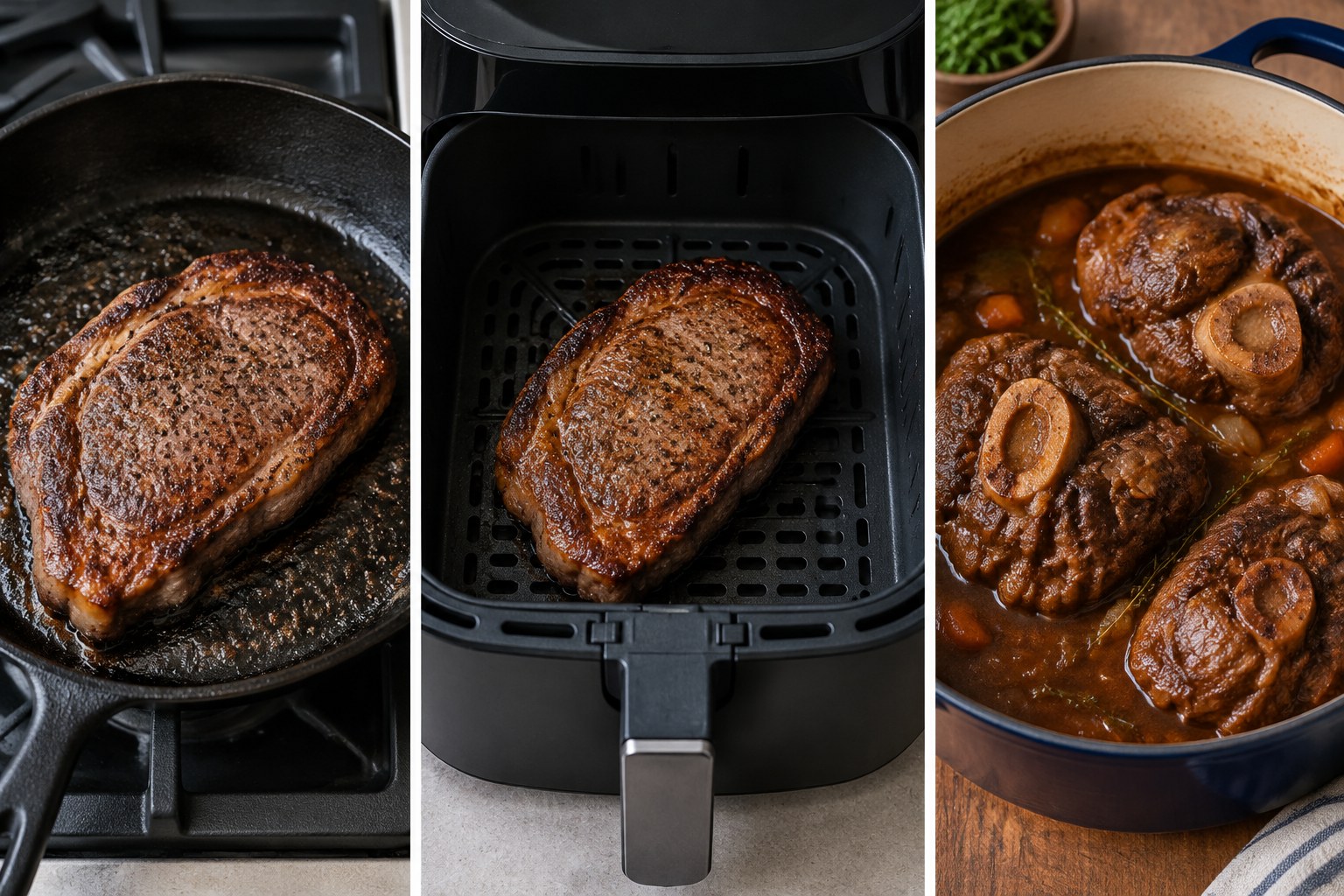
The Best Cuts for Roasting, Braising and Slow Cooking
Dry roasting cooks with hot air around the meat. Rib roast, an appropriate sirloin roast, tenderloin, rump roast and topside can suit roasting, with heat and timing chosen for the specific joint. Lean roasting cuts need care to avoid drying out.
Braising combines meat with cooking liquid, usually in a covered vessel. Slow cooking provides sustained cooking over a longer period, often with moisture, depending on the recipe. Conventional chuck, brisket, shank, short ribs and oxtail are useful choices for these approaches.
The aim determines the method. A sliceable roast and a soft, shredded braise require different textures, even if both start with beef. Slow roasting brisket also needs a method designed to manage its connective tissue and moisture; it is not the same as quickly roasting tenderloin.
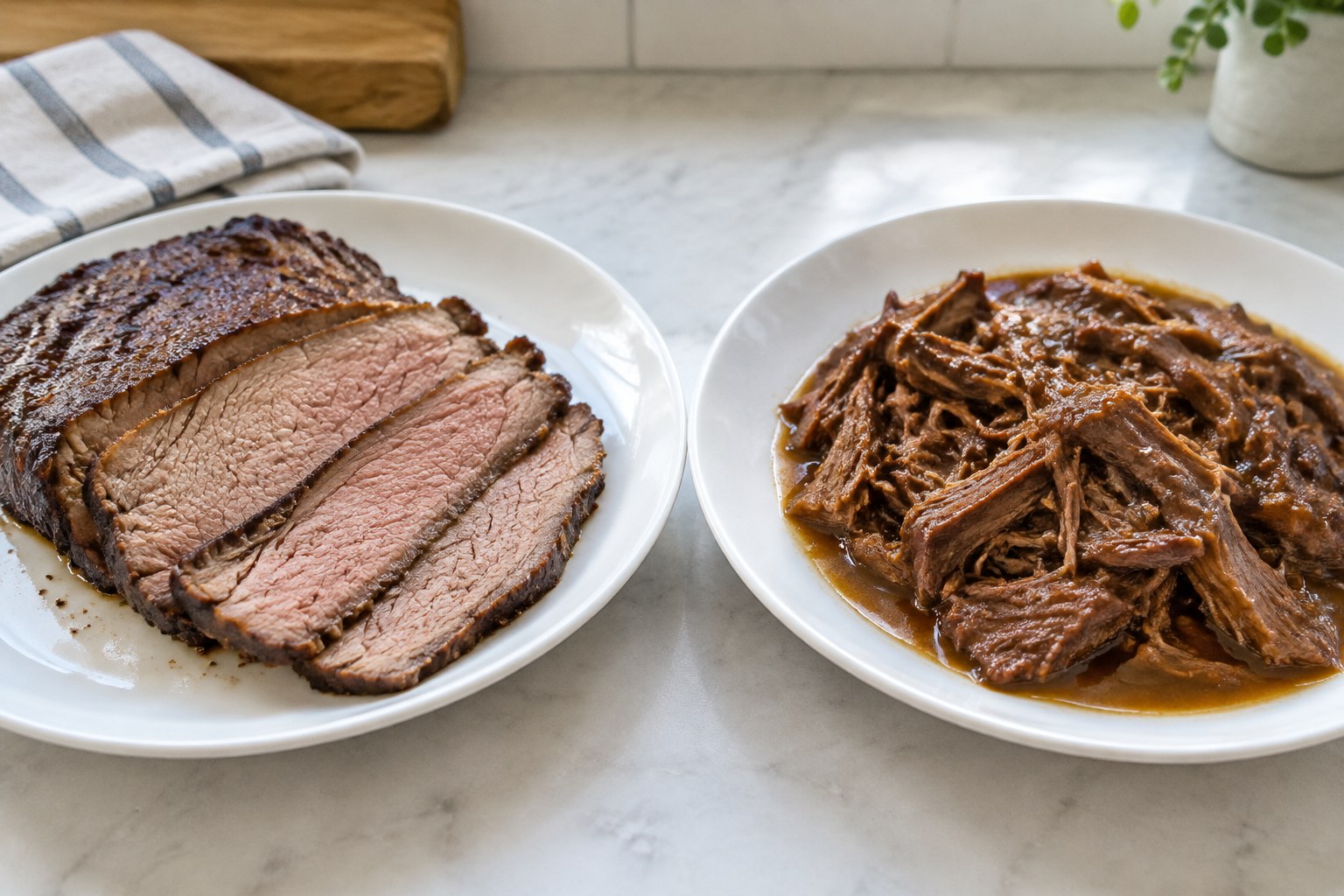
Why Some Beef Cuts Become Tough
Tough beef does not always mean it was cooked for too long. A lean, naturally tender steak may have lost too much moisture, while a collagen rich braising cut may not have cooked long enough to soften. The first step is to consider the cut and intended dish.
Marinades can add flavour and influence surface texture, but they cannot replace appropriate cooking for a cut containing substantial connective tissue. More acid or a longer soak is not a guaranteed solution, and prolonged acidic marination can give an undesirable surface texture.
- Choosing a quick dry method for a conventional braising cut.
- Overcooking a naturally tender, lean portion.
- Stopping a collagen rich braise before the required tenderness develops.
- Allowing excessive moisture loss.
- Slicing along long muscle fibres rather than across them.
- Ignoring differences in thickness between pieces.
- Expecting a marinade to completely tenderise any tough cut.
How to Slice Beef Against the Grain
The grain is the direction in which the muscle fibres run. Look for the long parallel lines visible on the surface of flank or skirt steak, and identify that direction before cooking when it is easier to see.
After cooking and resting appropriately, position the meat so you can cut across those lines rather than parallel to them. Shortening the fibres in each slice makes the meat easier to chew. Thin slices are especially helpful for flank, skirt and other cuts with pronounced fibres.
The grain may change direction between muscles or across a large portion, so turn the meat as needed. Cutting on a slight bias can give broader slices, but the essential point remains to cross the fibres.

Understanding Beef Cut Names When Shopping
British, American, Australian and other butchery systems divide and name beef differently. International supermarkets, including those in the UAE, may stock products labelled using several systems. Similar names do not always indicate exactly the same anatomical portion.
Fillet and tenderloin commonly refer to the same muscle. Striploin and New York strip are closely related terms, with New York strip usually referring to a steak. Ribeye and rib eye are spelling variants. British topside broadly overlaps certain top round cuts, while silverside broadly overlaps certain bottom round cuts, but the boundaries and preparation are not always identical.
Sirloin is particularly variable: a British sirloin steak may overlap the American strip loin, whereas American sirloin describes a region farther back. Porterhouse also changes meaning between markets. Check the full packaging description or ask the butcher where the cut comes from and how it is best cooked.
Angus and Wagyu describe cattle breeds or breeding backgrounds, while grass fed refers to feeding practice. None is an individual beef cut. A Wagyu brisket is still brisket, and a grass fed fillet is still fillet; the anatomical cut remains important.
Beef Cooking Temperatures and Food Safety
USDA guidance recommends a minimum internal temperature of 63°C (145°F) for whole beef steaks, chops and roasts, followed by a rest of at least three minutes. Minced or ground beef should reach at least 71°C (160°F). Use a food thermometer rather than relying on colour, juices or surface browning.
Insert the thermometer into the thickest part of the meat, avoiding contact with bones or the cooking vessel. For a thin steak, inserting from the side can help position the sensor in the centre. Follow the thermometer instructions and any stricter local food safety requirements.
These are minimum food safety recommendations, not a chart of culinary doneness preferences. Collagen rich cuts may need higher temperatures or considerably longer cooking to become tender enough for the intended dish. Reaching a minimum safe temperature and achieving a soft braising texture are different goals.
Cooking time varies with thickness, starting temperature, appliance performance and method. A photograph or a fixed number of minutes cannot guarantee that beef is safely cooked. Consult the USDA guidance on safe internal temperatures for the reference behind these recommendations.
Source: USDA Food Safety and Inspection Service, Safe Minimum Internal Temperature Chart; USDA Food Safety and Inspection Service, Leftovers and Food Safety: Cook Food Safely at Home
Choosing the Right Beef Cut for Your Meal
Availability, price, grading and personal preference all influence the choice. Start with the meal and the time you have, then choose a cut whose texture suits that method.
- Quick steak dinner: ribeye, suitable sirloin, striploin or tenderloin.
- Leaner steak meal: tenderloin or appropriately trimmed sirloin.
- Beef skewers: sirloin, suitable rump or another naturally tender cut. Easy Air Fryer Beef Skewers uses ribeye.
- Rich stew: conventional chuck braising cuts or suitable stewing beef. Ask which cut is included when a pack is labelled simply stewing beef.
- Pressure cooked meal with rich gravy: beef shank, chuck or conventional braising short ribs.
- Slow cooked shredded beef: chuck or brisket, using a method designed for pulling.
- Traditional roast: rib roast, sirloin roast or an appropriate hindquarter roasting cut.
- Thinly sliced beef: flank, skirt or another suitable cut prepared and sliced correctly.
- Leftover cooked beef: use an appropriate recipe, such as Air Fryer Beef and Double Cheese Puff Pastry Hot Pockets, rather than treating the filling as raw meat.
Frequently Asked Questions
What is the most tender cut of beef?
Tenderloin or fillet is generally regarded as one of the most naturally tender cuts because the muscle does relatively little work. Tenderness still varies with the animal, ageing, preparation and cooking.
What is the best cut of beef for an air fryer?
Suitable ribeye, sirloin, striploin and tenderloin portions are useful options. Rump can also work with suitable preparation. Choose for the dish and thickness, leave space for airflow and check internal temperature.
Which beef cuts are best for pressure cooking?
Conventional chuck braising cuts, shank, brisket, thick braising short ribs and oxtail are useful collagen rich choices. Suitable stewing beef can also work. Follow the appliance liquid and release instructions.
Why does beef shank need longer cooking?
The lower leg contains working muscle and substantial connective tissue. It needs suitable sustained cooking for collagen to convert into gelatin and the texture to soften; reaching a safe temperature alone does not establish tenderness.
What is the difference between ribeye and sirloin?
Ribeye comes from the rib area and is often more marbled and richer tasting. Sirloin is generally leaner, but its precise anatomical meaning varies by country. Check which sirloin cut is being sold.
Can brisket be cooked in an air fryer?
Conventional raw brisket is generally unsuitable for quick, dry air frying because its connective tissue needs sustained cooking. Already tender brisket can be finished in an air fryer for browning when an appropriate recipe calls for it.
What is the best beef cut for a stew?
Conventional chuck braising cuts and suitable stewing beef are practical choices. Shank and other collagen rich cuts can also work, depending on the dish and available cooking time.
Why should you slice steak against the grain?
Cutting across the muscle fibres shortens them within each slice, making the meat easier to chew. It is particularly useful for flank, skirt and other cuts with long, visible fibres.
Does marbling make beef more tender?
Marbling can contribute flavour and a richer, juicier eating experience as fat renders. It is not a guarantee of tenderness: muscle structure, connective tissue, ageing and cooking also matter.
Is expensive beef always better?
Not necessarily. Price reflects factors such as demand, breed, grading and availability, not simply suitability for your meal. A well chosen braising cut can be more appropriate for a stew than an expensive tender steak.
What is the difference between beef short ribs and ribeye?
Ribeye is a naturally tender steak cut from the rib region. Short ribs are rib portions that can come from several areas and often contain more connective tissue. Thick braising ribs usually need longer cooking; thin grilling preparations are a separate case.
Can you make a tough cut of beef tender?
Many collagen rich cuts become softer with suitable braising, pressure cooking or slow cooking. Correct carving also helps. A lean steak already dried out by excessive cooking will not necessarily recover its original texture, and marination is not a universal fix.