Air Fryer Guides
How to Cook Marinated Foods in an Air Fryer
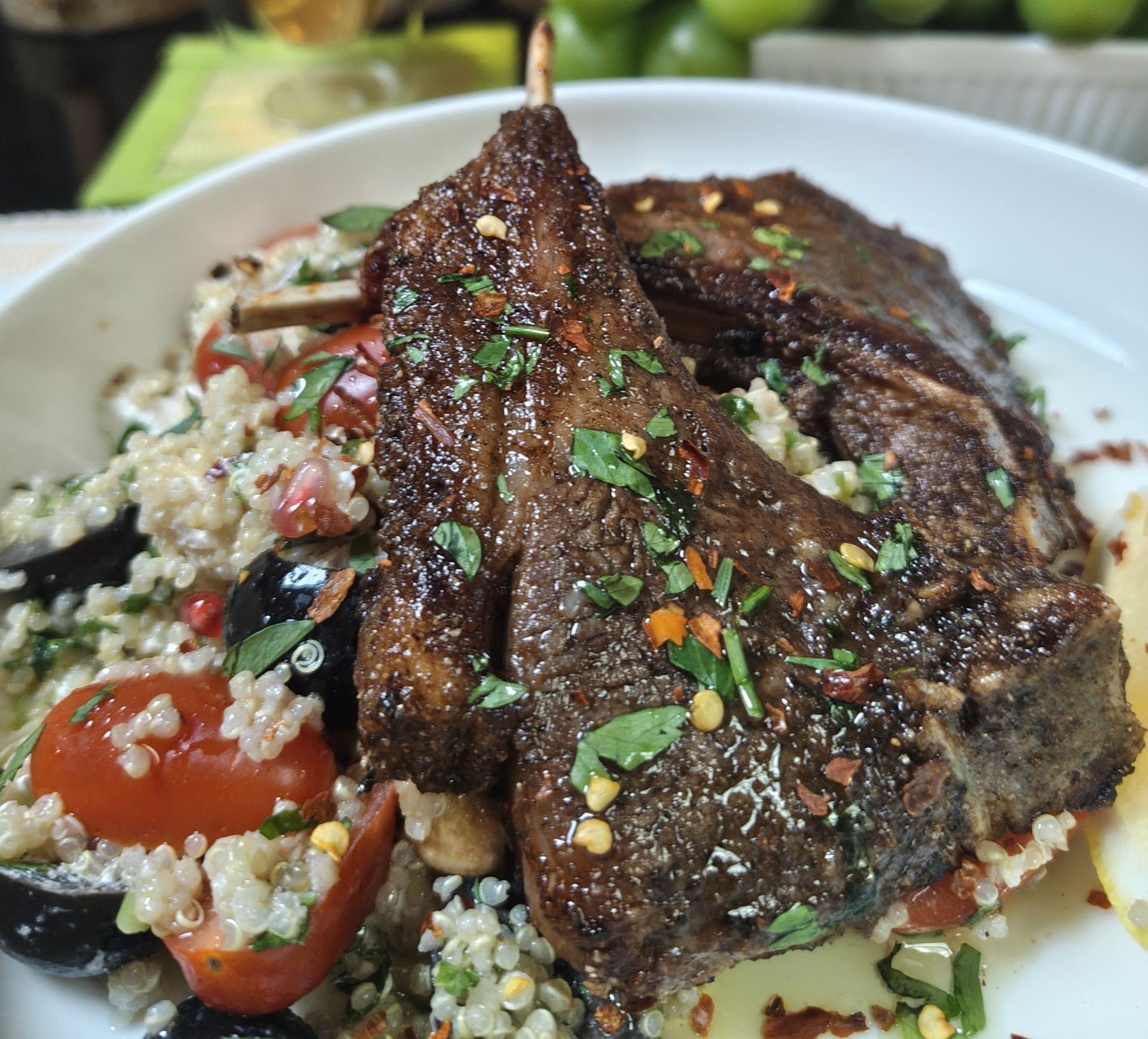
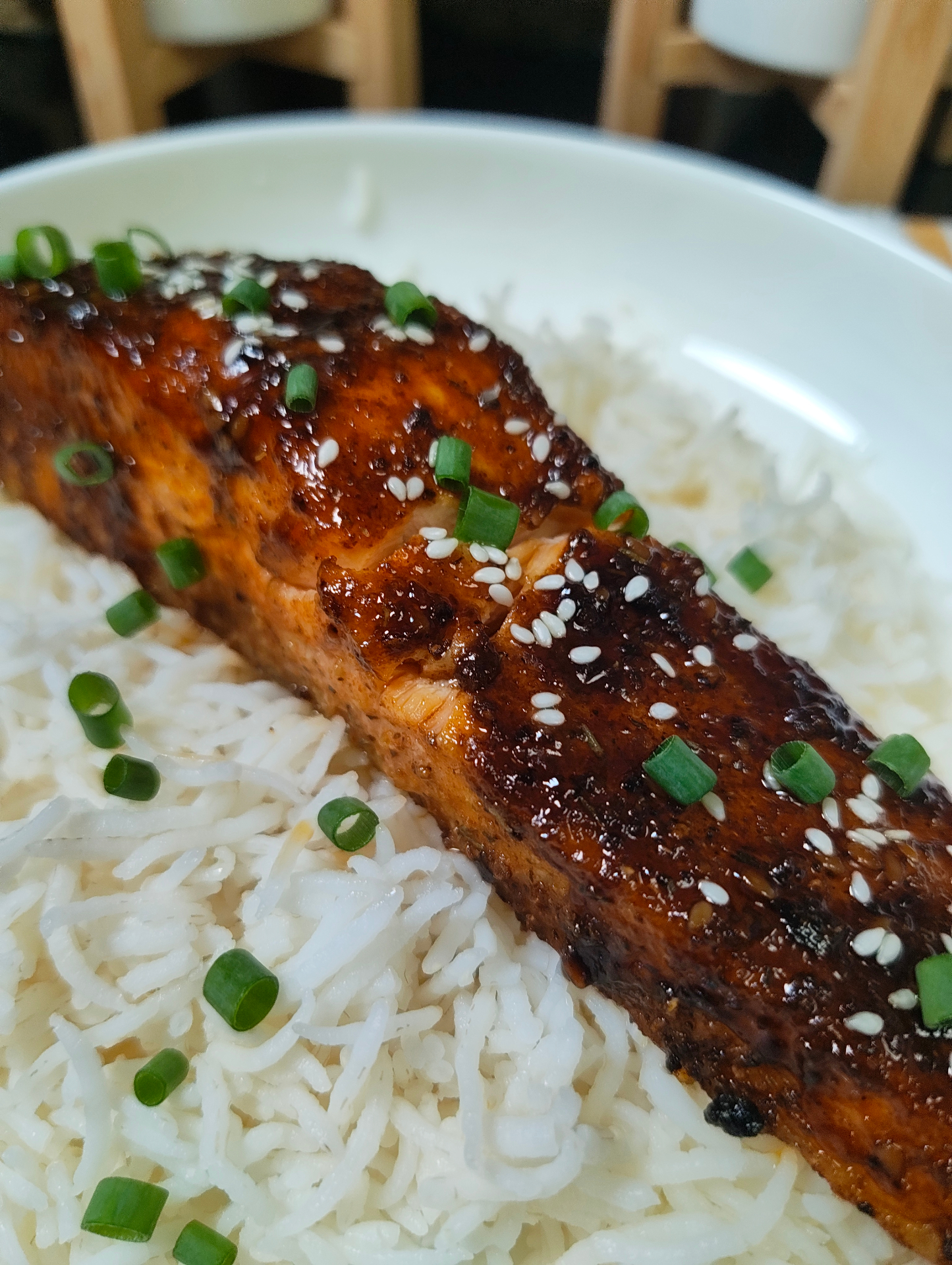
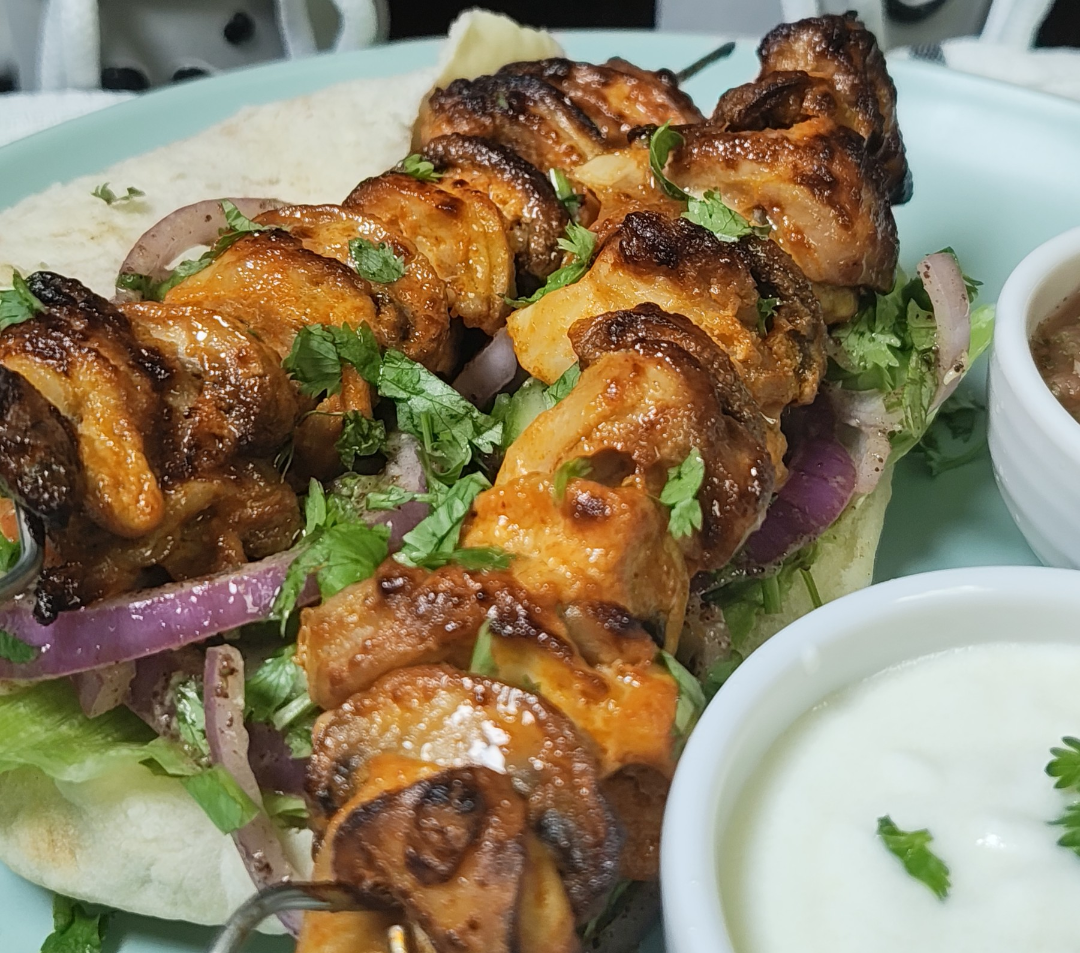
A yoghurt-coated chicken skewer, spice-rubbed lamb chop and glossy glazed salmon all bring different flavours to an air fryer. The trick is knowing what should stay on the food, what should drip away, and when an extra sauce belongs.
Circulating heat can give marinated foods lovely colour, but excess moisture can leave them soggy, and sugar or exposed seasonings can scorch. Too much dripping oil or sauce can also create smoke. Here is how to work with the coating while making sure the food underneath cooks properly.
By Esther LackiePublished
What Happens to a Marinade in an Air Fryer?
An air fryer moves hot air around the food. Moisture on the surface evaporates as the food heats, and the exposed coating can begin to brown once it becomes drier. A thin, clinging coating behaves differently from a puddle of sauce beneath the food.
Browning is not all the same process: proteins and sugars can react as the surface heats, while sugars can also caramelise. Keep cooking too hot or too long and that colour can become scorching. A sugary coating may darken well before a thick piece of chicken is cooked through.
That is why surface colour is a useful texture cue, not a food-safety test. Check the centre as well as the outside, using a food thermometer where appropriate.
Wet Marinades and Dry Rubs: What Is the Difference?
A wet marinade surrounds the food with a mixture that may contain oil, yoghurt, citrus juice, vinegar, sauces, herbs or spices. It can spread flavour evenly, but excess liquid has to evaporate and may drip or collect beneath the food.
A dry rub uses salt, spices and sometimes sugar without a liquid base. It adds concentrated surface flavour without a large volume of moisture. Loose spices can scorch or be displaced by moving air; a little oil may help them cling where the recipe calls for it, although that makes the coating different from a strictly dry rub.
Neither approach guarantees crispness or tenderness. Choose for the dish rather than assuming that the wettest mixture gives the most flavour.
| Coating | Useful qualities | What to watch |
|---|---|---|
| Wet marinade | Even coverage; room for yoghurt, acid, herbs and sauces | Dripping liquid, thick patches and early browning |
| Dry rub | Concentrated surface seasoning without a pool of liquid | Loose spices, sugar and excessive direct heat |
| Oil-and-spice coating | Helps seasoning cling and spreads flavour over the surface | Excess oil collecting in the basket |
| Finishing glaze | A separate layer of flavour applied during or after cooking | Fast browning and contamination from raw-food utensils |
- Wet marinade
- Useful qualities: Even coverage; room for yoghurt, acid, herbs and sauces
- What to watch: Dripping liquid, thick patches and early browning
- Dry rub
- Useful qualities: Concentrated surface seasoning without a pool of liquid
- What to watch: Loose spices, sugar and excessive direct heat
- Oil-and-spice coating
- Useful qualities: Helps seasoning cling and spreads flavour over the surface
- What to watch: Excess oil collecting in the basket
- Finishing glaze
- Useful qualities: A separate layer of flavour applied during or after cooking
- What to watch: Fast browning and contamination from raw-food utensils
Choosing a Marinade for Air Frying
These categories overlap. A yoghurt marinade can also contain lemon, oil and spices, so consider the whole mixture rather than treating one ingredient as its only defining feature.
Oil-Based Marinades
Oil helps distribute herbs and spices over food; it is not a substitute for moisture inside the meat. Aim for a coating rather than food sitting in a bath of oil. Excess oil and rendered fat can collect below the cooking surface and contribute to smoke.
Nyama Choma Air Fryer Lamb Chops uses nyama choma spice and avocado oil before a short marination. The garlic butter is brushed on after cooking, not used as the initial marinade.
Yoghurt-Based Marinades
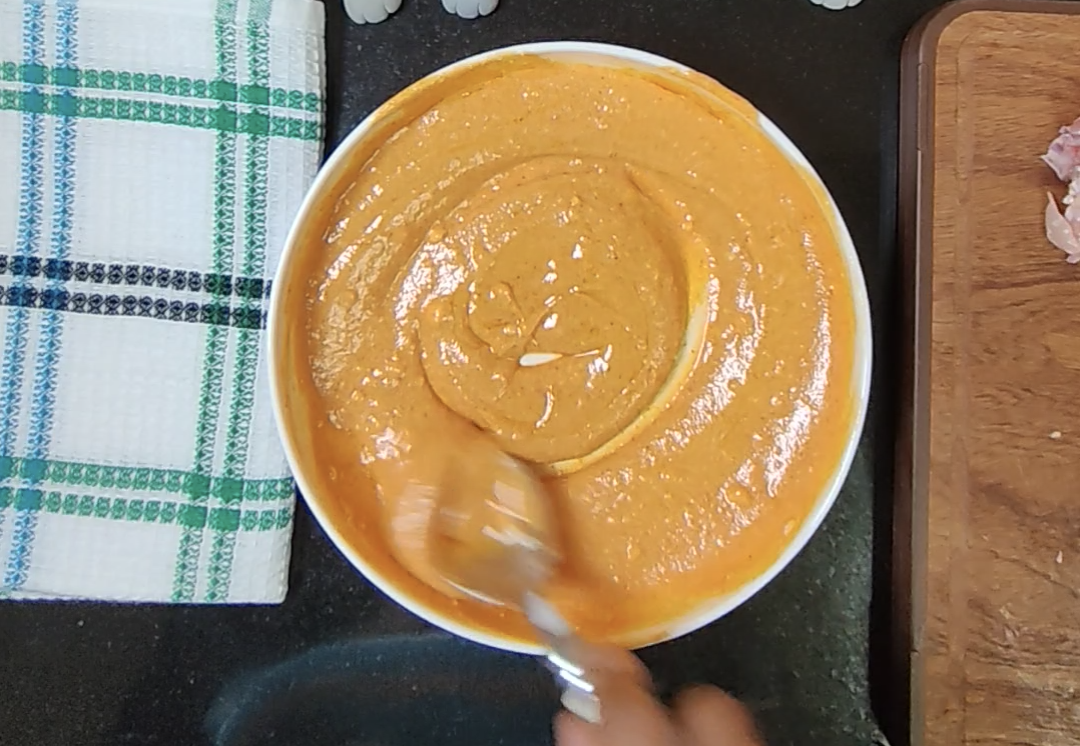
Yoghurt makes a thicker coating that holds spices against the food. Its water needs to evaporate, and the milk solids can take on colour. Thick lumps or an excessively hot setting can leave dark patches before the centre is ready.
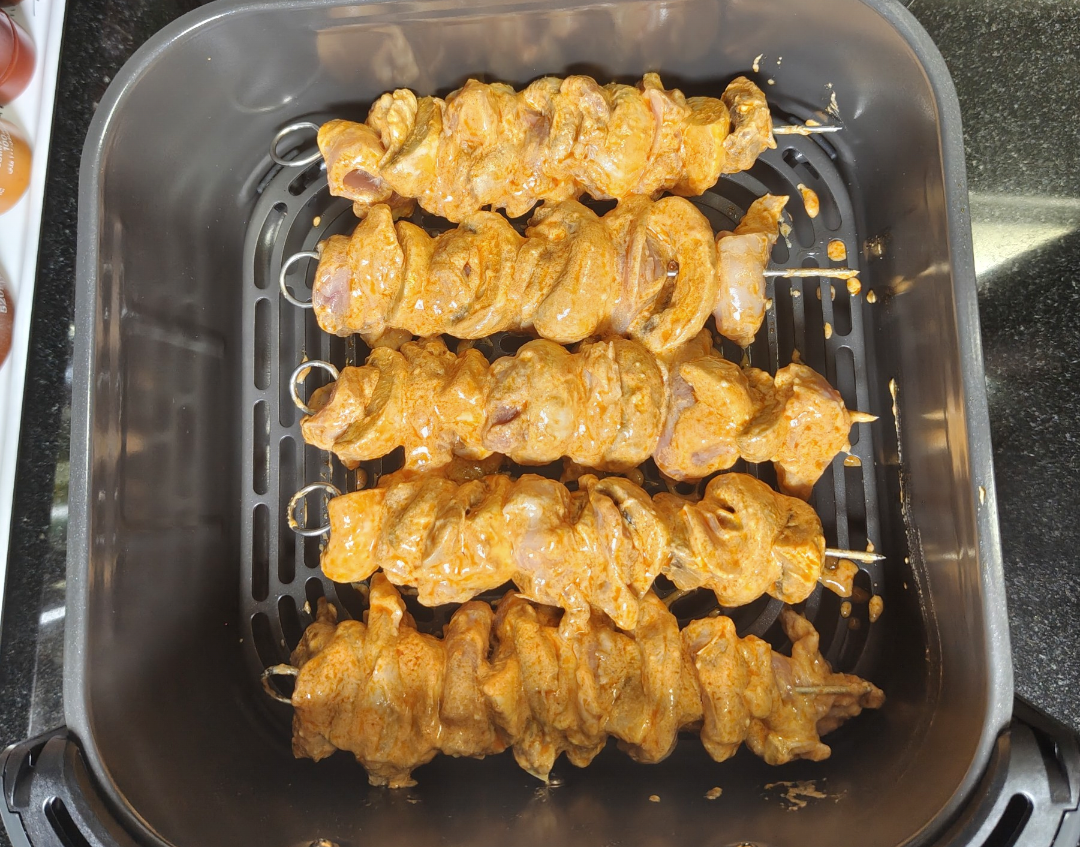
Air Fryer Chicken Tikka & Mushroom Skewers combines natural yoghurt, lemon juice, olive oil and tikka spice. The chicken marinates in the refrigerator for two hours, and the mushrooms join afterwards. That timing belongs to this recipe, not every yoghurt-marinated dish.
Citrus-Based Marinades
Lemon and lime bring acidity and flavour. An acidic marinade can change the surface texture, but more acid or a longer soak does not automatically mean more tender food. Delicate fish and small pieces need particular care: prolonged acidic marination can leave an unpleasantly soft or firm surface.
Follow an ingredient-specific recipe rather than borrowing an overnight chicken marination for fish. Citrus is part of the tikka mixture above; lemon wedges on a finished plate do not by themselves mean the food was citrus-marinated.
Source: USDA Food Safety and Inspection Service, Poultry: Basting, Brining, and Marinating
Herb and Spice Marinades
Spices and chopped herbs bring flavour, but exposed garlic pieces and delicate leaves can scorch. Spread them evenly rather than leaving heavy clumps on top. Some fresh herbs are better added as a finishing garnish, depending on the recipe.
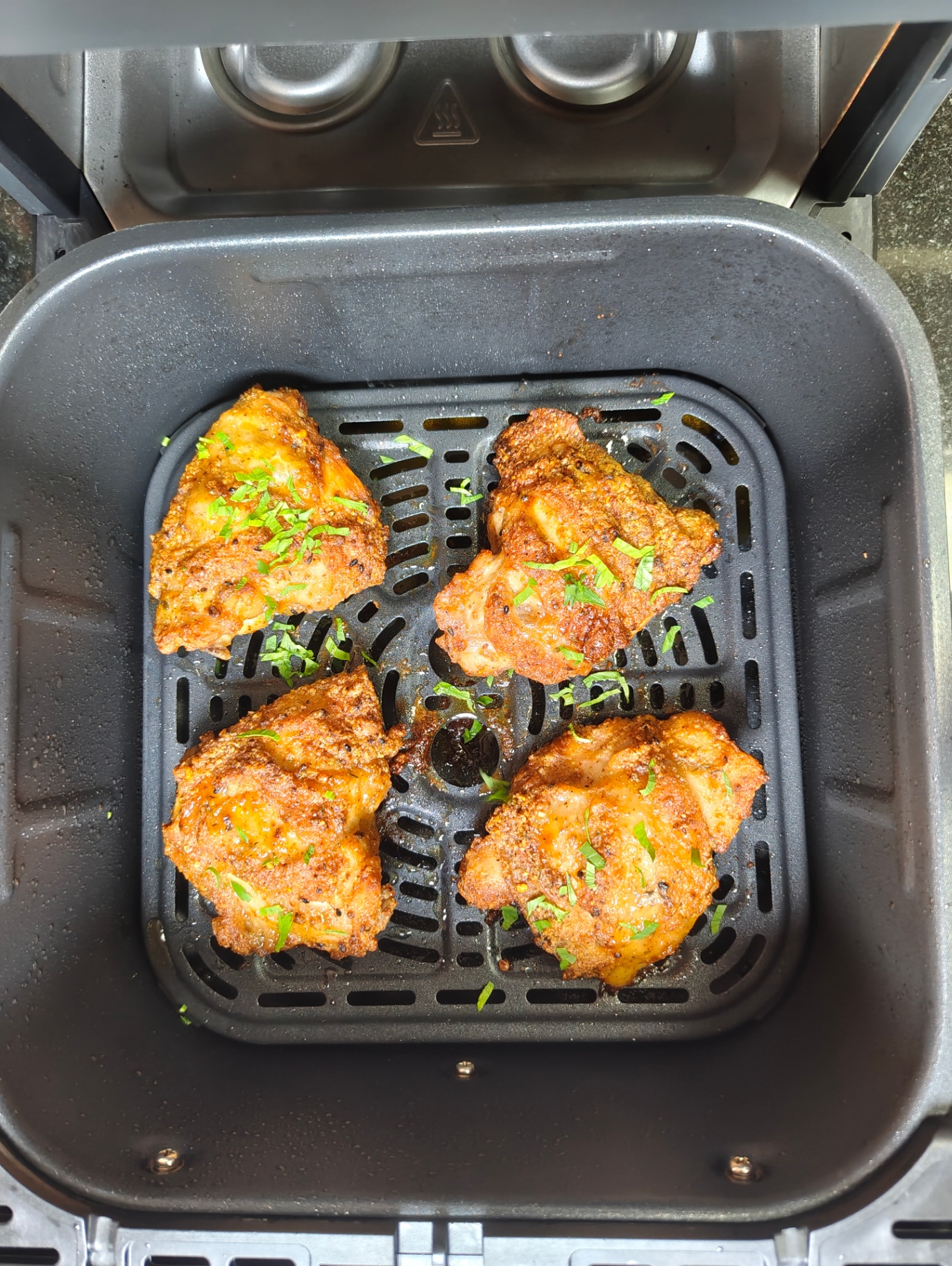
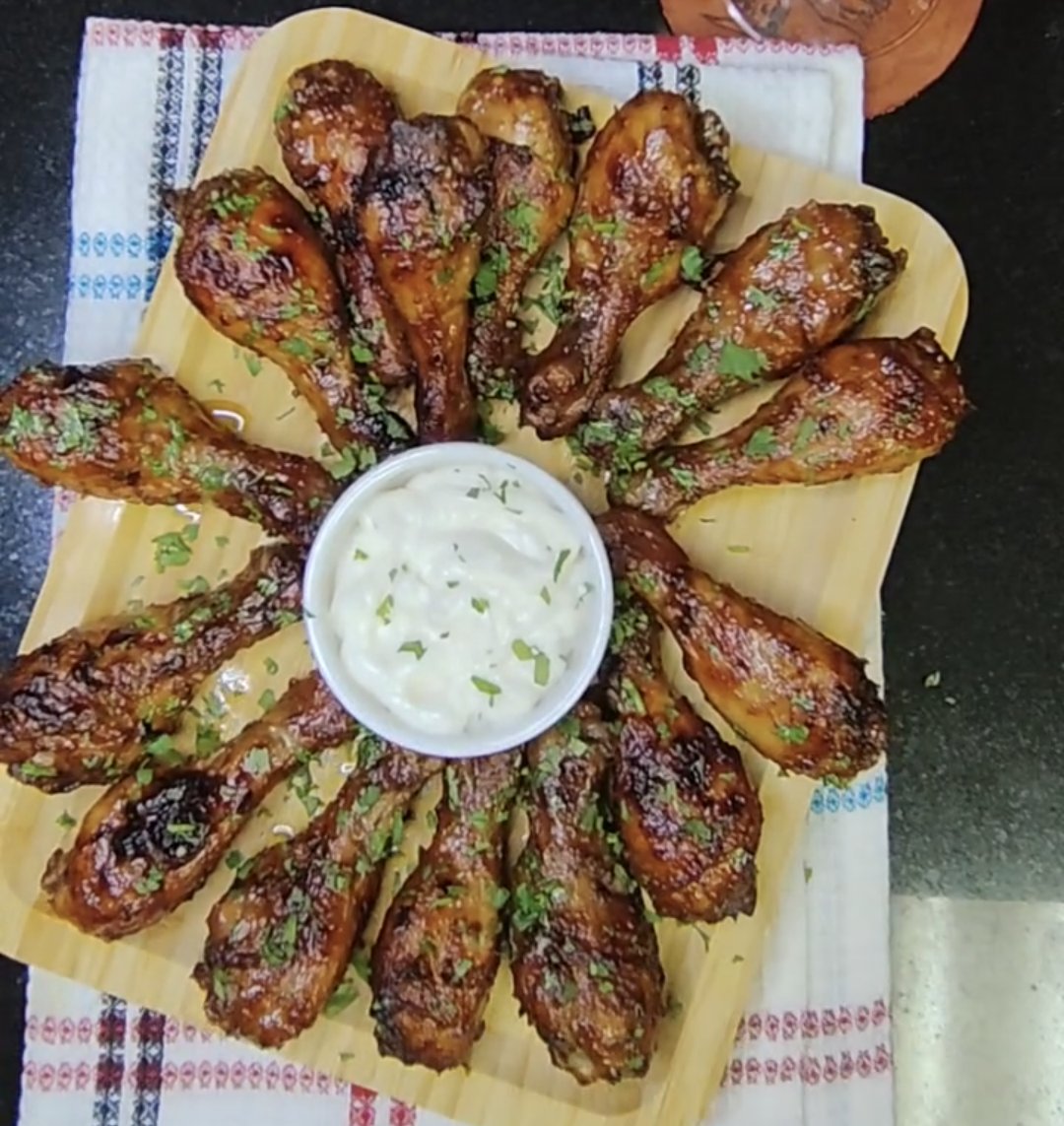
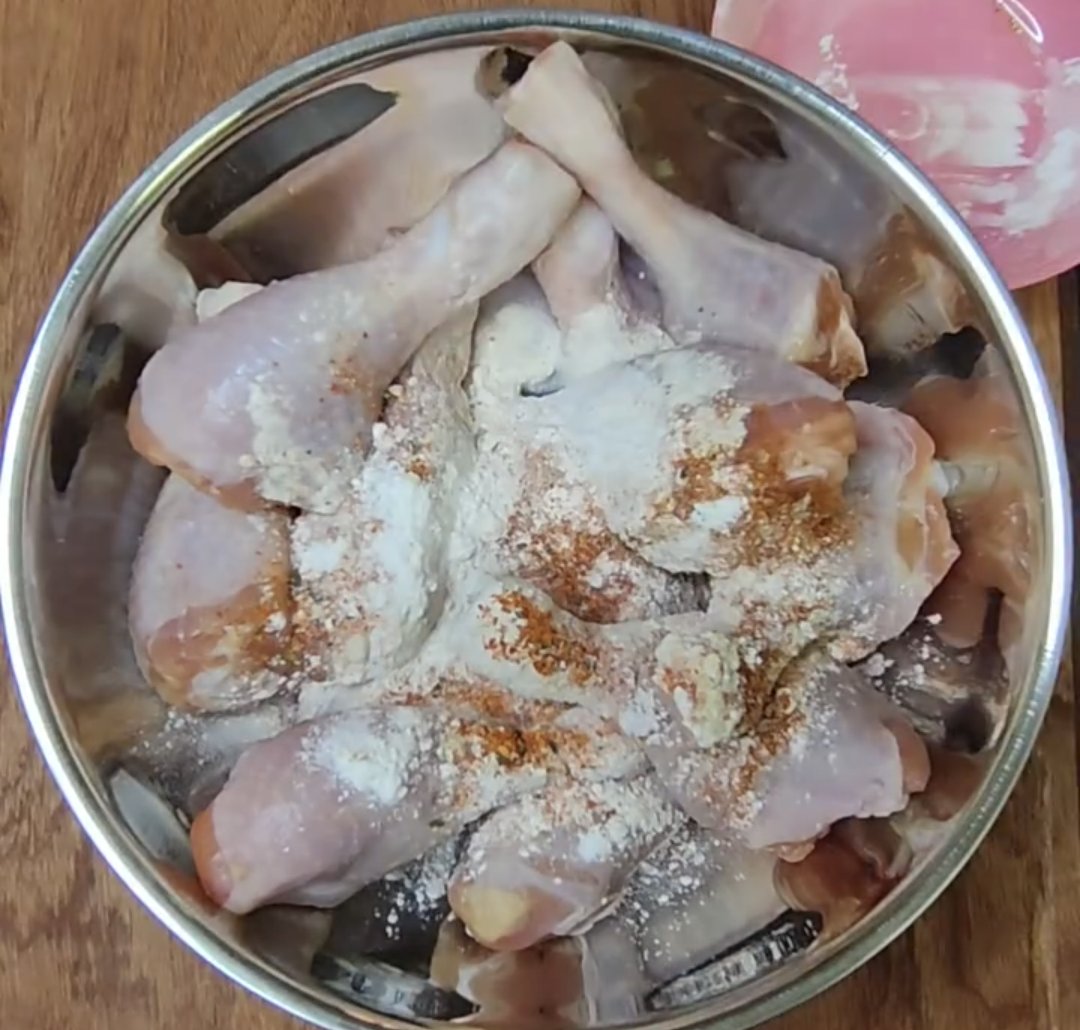
Air Fryer Chicken Drumsticks starts with dry spices and corn starch, then adds avocado oil. For vegetables, Air Fryer Eggplant with Tomato & Mozzarella uses a brushed garlic, parsley, basil and olive-oil mixture; it is a coating, not a recorded marination stage. How to Season Food has more advice on salt, spice blends and building flavour.
Sweet Marinades and Glazes
Honey, sugar and sweet chilli sauces can brown quickly on an exposed surface. Teriyaki and other bottled sauces vary in sweetness and saltiness, so check the ingredients rather than assuming every product behaves alike.
A thin coating and a suitable cooking temperature matter more than simply adding extra sauce. Where the recipe allows, a sweet glaze can go on later so it spends less time exposed to the strongest heat. Air Fryer Teriyaki Salmon is one example: teriyaki is brushed on during the final two minutes of its recorded cooking cycle.
How Long Should You Marinate Food?
There is no single marinating time for chicken, beef, fish and vegetables. The cut, size, recipe, acid strength and starting texture all matter. Longer is not always better, and marinating does not extend a food’s safe storage life.
Use the following as a way to choose a recipe and plan ahead, not as a universal timetable. Keep within the food’s use-by date and safe refrigerated storage period.
Easy Air Fryer Beef Skewers and Easy Air Fryer Shrimp Skewers provide two different oil-and-spice examples. Their recorded marinating times are useful recipe details, not a reason to give beef and seafood the same treatment.
| Ingredient | How to choose the time | Published example or caution |
|---|---|---|
| Chicken | A short coating rest may suit small seasoned portions; thicker pieces and some yoghurt recipes use hours. Follow the recipe. | Drumsticks: 15 minutes; tikka chicken: two hours refrigerated. |
| Beef | An already tender cut may need only time for surface flavour. More time or acid will not reliably fix a tough cut. | Easy Air Fryer Beef Skewers: 30 minutes; stuffed beef skewers: 20 minutes before filling. |
| Fish | Delicate flesh and acidic mixtures generally call for shorter contact than robust meat. Avoid automatically leaving fish overnight. | Easy Air Fryer Shrimp Skewers: 15 minutes in oil and spices; its lemon is for serving. |
| Vegetables | Some need only tossing or brushing before cooking; extended salted soaking can draw out moisture. | Eggplant rounds are brushed with herb oil without a recorded waiting period. |
- Chicken
- How to choose the time: A short coating rest may suit small seasoned portions; thicker pieces and some yoghurt recipes use hours. Follow the recipe.
- Published example or caution: Drumsticks: 15 minutes; tikka chicken: two hours refrigerated.
- Beef
- How to choose the time: An already tender cut may need only time for surface flavour. More time or acid will not reliably fix a tough cut.
- Published example or caution: Easy Air Fryer Beef Skewers: 30 minutes; stuffed beef skewers: 20 minutes before filling.
- Fish
- How to choose the time: Delicate flesh and acidic mixtures generally call for shorter contact than robust meat. Avoid automatically leaving fish overnight.
- Published example or caution: Easy Air Fryer Shrimp Skewers: 15 minutes in oil and spices; its lemon is for serving.
- Vegetables
- How to choose the time: Some need only tossing or brushing before cooking; extended salted soaking can draw out moisture.
- Published example or caution: Eggplant rounds are brushed with herb oil without a recorded waiting period.
Source: USDA Food Safety and Inspection Service, Poultry: Basting, Brining, and Marinating
Keep Marinating Safe
Marinate perishable foods in a covered, food-safe container in the refrigerator. Do not leave raw meat or fish marinating on the kitchen counter, and keep raw-food juices away from ready-to-eat ingredients. Wash hands, utensils and work surfaces after handling raw food.
Reserve a clean portion of sauce before it touches raw meat or fish if you want some for serving. Marinade that has contacted raw meat or fish must not be used as a finishing sauce unless it has been thoroughly boiled to make it safe. Gently warming it or brushing it briefly onto cooked food is not enough. Discard it if safe handling or storage is uncertain; boiling is not a way to rescue spoiled or badly stored food.
Marinating does not replace thorough cooking. Check the thickest part with a food thermometer, avoiding bone. USDA minimum guidance is 74°C (165°F) for poultry, 71°C (160°F) for minced beef, 63°C (145°F) for fish, and 63°C (145°F) followed by at least a three-minute rest for whole-cut beef and lamb steaks, chops and roasts. Stuffed, rolled or minced preparations can require different guidance: do not apply the whole-steak rule indiscriminately.
These are internal food temperatures, not air fryer settings. Follow recognised guidance for the particular food and your location; the recipe’s approximate cooking time is not a guarantee of doneness.
Source: USDA Food Safety and Inspection Service, Poultry: Basting, Brining, and Marinating; USDA Food Safety and Inspection Service, Safe Minimum Internal Temperature Chart
Should You Remove Excess Marinade Before Air Frying?
Keep a flavourful coating, but avoid moving food into the basket with spoonfuls of liquid dripping from it. Lift each piece from the mixture with suitable utensils and let freely dripping liquid fall back into the container. Do not pour the leftover raw marinade over the basket.
For a thin, liquid marinade, gentle blotting may be appropriate if the recipe and appliance instructions allow it. A yoghurt or herb paste is different: remove heavy excess clumps where needed without automatically wiping the food bare. Do not rinse seasoned raw poultry.
A dish that needs a substantial sauce may belong in suitable air fryer-safe cookware or on the stovetop instead. Containers change airflow and cooking behaviour; check clearance and compatibility. What Not to Cook in an Air Fryer explains why a perforated basket is not a saucepan.
How to Stop Marinades Burning
Watch sugar, honey and sweet chilli sauces, especially on thin edges or under a strong heating element. Avoid piling on sauce at the start simply because it looks dry later. A thick, sticky layer can darken faster than the food beneath it.
Distribute garlic and herbs evenly and check exposed pieces during cooking. Add delicate finishing herbs later where the recipe calls for them. Do not automatically scrape away all garlic or change a confirmed recipe’s ingredients.
Use a temperature suited to the food, thickness, coating and appliance. If the surface is racing ahead of the centre, a lower setting and more cooking time may be appropriate, but keep checking for safe doneness. There is no universal temperature or last-minute glaze interval for every marinated food.
Use clean utensils for a finishing glaze. A brush or bowl that has touched raw food can contaminate the cooked surface. How to Stop Food from Sticking to Your Air Fryer Basket covers sticky sauces and gentle removal.
Keeping Marinated Food from Becoming Soggy
Moisture needs somewhere to go. Crowded pieces and large amounts of sauce can leave the food steaming in its own juices rather than browning. Leave space around portions and use batches when the basket is too full.
Keep pieces reasonably similar in size, and do not block airflow with oversized accessories or unnecessary layers of food. A solid liner or deep container can change how moisture escapes; choose it for the dish rather than expecting the same result as an exposed basket.
Not every marinated dish needs a crisp exterior. A tender yoghurt-coated skewer can be a good result without a crunchy crust. Why Is My Air Fryer Food Not Crispy? explains the wider balance between moisture, oil, temperature and airflow.
When Should Extra Sauce or Glaze Go On?
Marinating before cooking gives a coating time to contact the raw ingredient. A glaze brushed on during cooking adds another surface layer, often with a shorter exposure to heat. A separate finishing sauce goes on once the food is cooked, or is served alongside it.
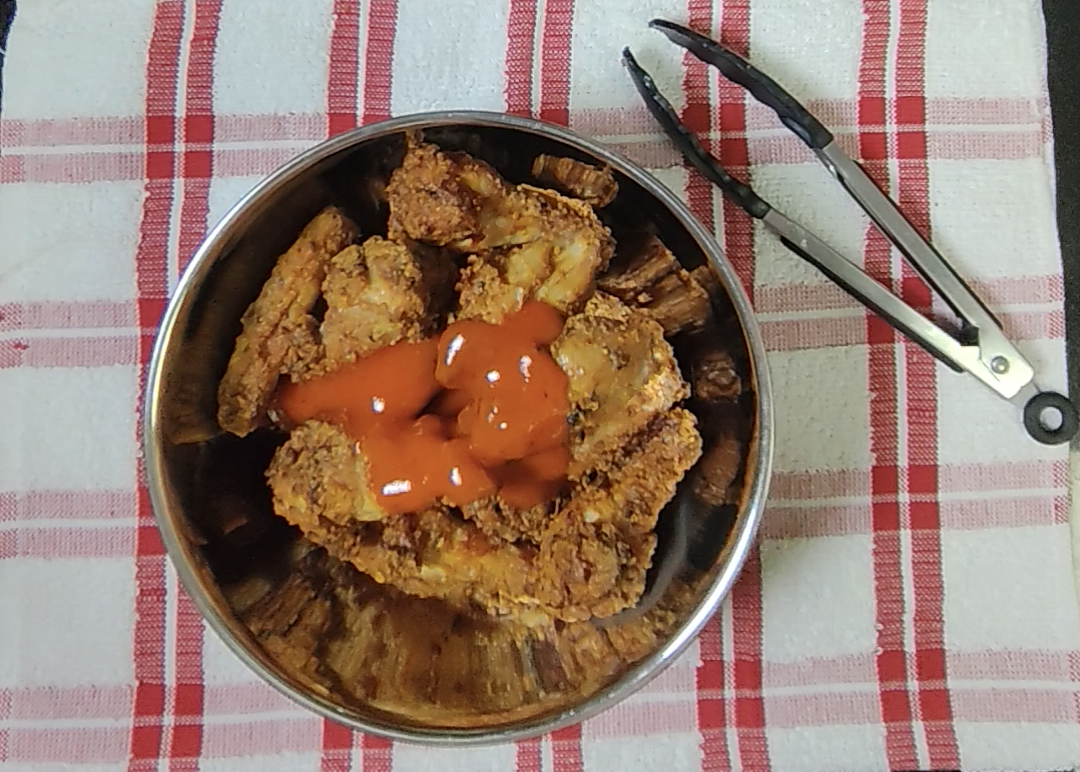
Air Fryer Sticky Sriracha Chicken Wings uses a Sriracha-and-butter sauce warmed separately and tossed with cooked wings. It is not a raw marinade and the recipe does not put the sauced wings back into the air fryer.
Choose the stage for the recipe. A late glaze still needs enough cooking where required; a ready-to-serve sauce should be prepared and handled safely. Reserve clean sauce and keep it separate from raw-food utensils.
Common Problems and What to Change
Use the pattern you see to decide what to adjust, rather than changing the temperature, time and sauce quantity all at once.
| Problem | Possible cause | What to try |
|---|---|---|
| Burnt marinade | Sugar, exposed garlic or thick coating meeting too much heat | Use the recipe’s suitable setting; reduce excess coating and add an appropriate glaze later. |
| Soggy food | Pooling liquid, crowding or restricted airflow | Let excess liquid drip away, allow space and cook in batches. |
| Uneven browning | Different piece sizes, uneven coating or basket arrangement | Cut more evenly, spread the coating and reposition only where suitable for the recipe and appliance. |
| Food sticking | Sticky sauce, residue or moving delicate food too soon | Use appropriate cookware/utensils and follow basket care guidance; avoid scraping the coating. |
| Excessive smoke | Hot accumulated fat, dripping oil or burnt residue | Stop cooking if smoke is excessive or unexplained; follow appliance guidance. Let it cool safely before inspecting and cleaning. |
| Dry or overcooked food | Too long or too hot, especially with lean or small pieces | Check earlier and avoid extending cooking just to darken the coating; still reach safe doneness. |
| Dark outside, centre not cooked | Thick food or a fast-browning coating at excessive heat | Adjust heat and time for the food and verify the centre with a thermometer. |
- Burnt marinade
- Possible cause: Sugar, exposed garlic or thick coating meeting too much heat
- What to try: Use the recipe’s suitable setting; reduce excess coating and add an appropriate glaze later.
- Soggy food
- Possible cause: Pooling liquid, crowding or restricted airflow
- What to try: Let excess liquid drip away, allow space and cook in batches.
- Uneven browning
- Possible cause: Different piece sizes, uneven coating or basket arrangement
- What to try: Cut more evenly, spread the coating and reposition only where suitable for the recipe and appliance.
- Food sticking
- Possible cause: Sticky sauce, residue or moving delicate food too soon
- What to try: Use appropriate cookware/utensils and follow basket care guidance; avoid scraping the coating.
- Excessive smoke
- Possible cause: Hot accumulated fat, dripping oil or burnt residue
- What to try: Stop cooking if smoke is excessive or unexplained; follow appliance guidance. Let it cool safely before inspecting and cleaning.
- Dry or overcooked food
- Possible cause: Too long or too hot, especially with lean or small pieces
- What to try: Check earlier and avoid extending cooking just to darken the coating; still reach safe doneness.
- Dark outside, centre not cooked
- Possible cause: Thick food or a fast-browning coating at excessive heat
- What to try: Adjust heat and time for the food and verify the centre with a thermometer.
Practical Tips for Chicken, Beef, Fish and Vegetables
Chicken needs a thoroughly cooked centre even when the marinade looks beautifully browned. Keep comparable pieces together and check the thickest ones. Do not use the tikka recipe’s settings as a shortcut for large drumsticks.
With beef, cut and preparation matter. Air Fryer Spinach and Cheese Stuffed Beef Skewers marinates the skirt steak before adding its filling; a stuffed roll does not behave like an unfilled steak. How to Cook Beef in an Air Fryer covers methods, thickness and safety.
Fish can dry out quickly and may be fragile to lift. Choose a suitable marinade and keep acidic contact recipe-specific. Oil-and-spice shrimp and yoghurt-coated chicken are not interchangeable timing guides.
Vegetables vary in water content and density. Drain washed vegetables appropriately before coating, and avoid assuming mushrooms, potatoes and peppers will finish together. A brushed herb mixture, as on the eggplant rounds, may be all the preparation the dish needs.
Frequently Asked Questions
A few common questions are worth clearing up before the basket goes in.
Can wet-marinated chicken go directly into an air fryer?
Yes, when the recipe and appliance support that method. Keep the coating but let excessive liquid drip away, allow airflow and cook the chicken thoroughly. A basket full of loose sauce is a different cooking setup.
Can I air fry food straight from the marinade?
You can transfer safely refrigerated marinated food to the air fryer without bringing it to room temperature. Remove freely dripping excess where appropriate, and follow the recipe for cooking chilled food; do not pour used raw marinade into the basket.
Why does my marinade burn?
A sugary or thick coating, exposed garlic, excessive heat or too much cooking time can make the surface darken early. Use suitable settings and consider later glaze application where the recipe allows it.
Can I use yoghurt marinades in an air fryer?
Yes. The tikka skewers are a published example. Spread the coating evenly, avoid heavy excess clumps and check the centre; the coloured yoghurt coating does not prove the chicken is cooked.
Should sauce go on before or after air frying?
It depends on its role. A marinade goes on beforehand, some glazes go on during cooking, and a finishing sauce may be added afterwards. Follow the recipe and keep a clean serving portion separate from raw food.
Can I reuse leftover marinade?
Unused marinade kept separate from raw food can be used according to its ingredients and storage guidance. If it has touched raw meat or fish, thoroughly boil it before any use as a finishing sauce, or discard it. Do not reuse poorly stored or spoiled marinade.
Do I need to preheat for marinated foods?
Not always. Air fryer designs and recipes differ. Follow the instructions for your appliance and the recipe rather than treating preheating as a compulsory marinade step.
Before You Start Cooking
A good coating does not need to be a deep pool of sauce. Keep marinating safely chilled, give the food space, and watch how the surface and centre are cooking together. Once those choices suit the ingredient and your air fryer, the marinade can bring plenty of flavour without taking over the cooking.