Air Fryer Guides
How to Reheat Food in an Air Fryer Without Drying It Out
Leftovers deserve a second chance, but reheating them can be tricky. Chicken can become dry, chips can lose their crispness and bread can turn surprisingly tough.
An air fryer can help bring back some of the texture we enjoy, particularly with foods that benefit from a crisp exterior. However, reheating is different from cooking food from scratch.
The goal is to warm food thoroughly without unnecessarily drying it out. Not every leftover suits circulating dry heat: a microwave or stovetop can be a better choice for foods that need moisture and stirring.
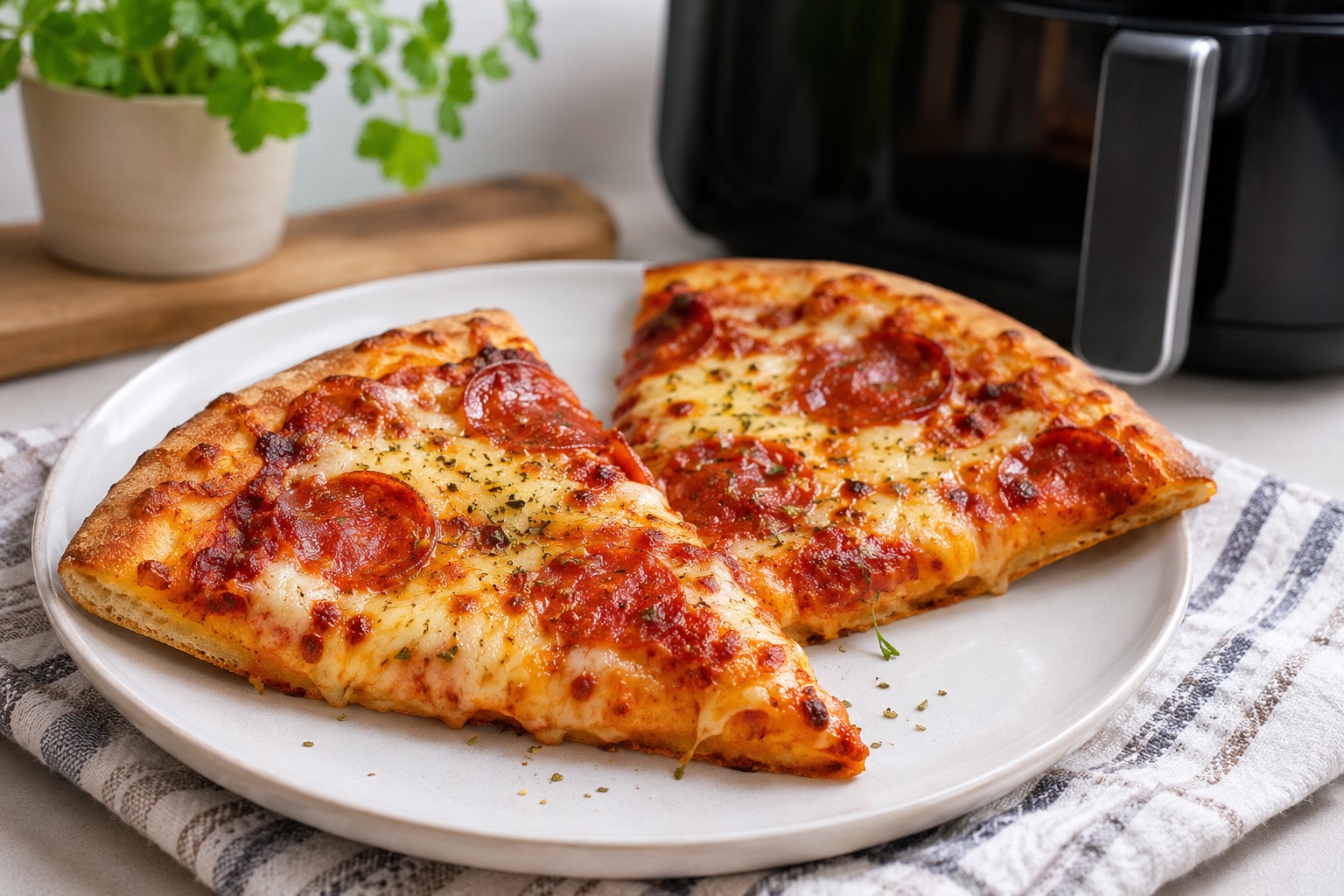
The image in this guide is an AI-generated editorial illustration.
By Esther LackiePublished
Can You Reheat Food in an Air Fryer?
Yes. Circulating hot air transfers heat to previously cooked food and can refresh surfaces that have softened during storage. Pizza crust, roasted vegetables, pastries and some cooked meats can benefit from this dry heat.
The trade-off is moisture loss. A thick portion may brown or dry on the outside before its centre heats thoroughly, so choose the method for the food rather than treating the air fryer as the answer to every leftover.
Why Does Food Dry Out When You Reheat It?
More heat gives moisture another opportunity to evaporate, and moving air carries that moisture away from the surface. Longer or hotter reheating can leave food drier even when it started out tender.
Lean chicken has little fat to soften the impression of dryness. Bread can become hard, and small pieces can lose moisture quickly because more of their surface is exposed. Chips may welcome a dry exterior; saucy pasta needs moisture retention instead.
Seven Ways to Reheat Food Without Drying It Out
Use these principles together, adjusting to the food, portion and appliance. There is no single temperature or time that suits every leftover.
1. Use a Gentler Temperature
Avoid automatically choosing the highest setting. Gentler heat gives the centre more opportunity to warm before the surface dries or browns too far. Consult your manual and suitable guidance for the food; reheating is not the same as its original cooking cycle.
2. Reheat in Short Stages
Check progress between short stages rather than leaving food through one unnecessarily long cycle. Reduce further heating when the surface is getting too dark, but still check that perishable leftovers reach a safe temperature throughout.
3. Avoid Overcrowding
Leave space for air to move around the food. Spread chips and similarly sized pieces out, and reheat in batches when needed. Stacking can leave warm surfaces around cool centres.
4. Consider Moisture
A little oil can help some surfaces, but it cannot restore moisture inside overcooked chicken. For foods that need liquid, gentle stovetop reheating or a microwave with an appropriate cover can be more useful than adding more dry heat.
5. Use Suitable Containers
Use only compatible oven-safe dishes that fit securely and meet the air fryer's manufacturer guidance. Oven-safe does not automatically mean suitable for every air fryer. Keep airflow and clearance around the heating element in mind. What Containers Can You Put in an Air Fryer? covers the practical considerations.
6. Adjust for Thickness and Portion Size
A large, thick portion takes longer to heat through than a thin slice. Where practical, divide food into smaller, similar-sized portions. Check the centre and more than one place rather than judging by a browned edge.
7. Reheat Safely
USDA guidance recommends reheating perishable leftovers to 74°C or 165°F throughout. Use a food thermometer; steam, colour, bubbling cheese or a hot exterior alone cannot confirm the centre is safely reheated.
Source: USDA Food Safety and Inspection Service, Leftovers and Food Safety
How to Reheat Different Foods in an Air Fryer
Starting temperature, thickness, fillings, quantity and appliance design all affect the result. Use the following as food-specific principles, not universal time or temperature instructions. Air Fryer Cooking Times explains why settings vary.
Pizza
Keep slices spaced apart so the toppings can warm while the crust refreshes. Check before the cheese becomes over-browned or the base dries out. A thick base or heavily topped slice needs more attention to the centre than a thin slice.
Cooked Chicken
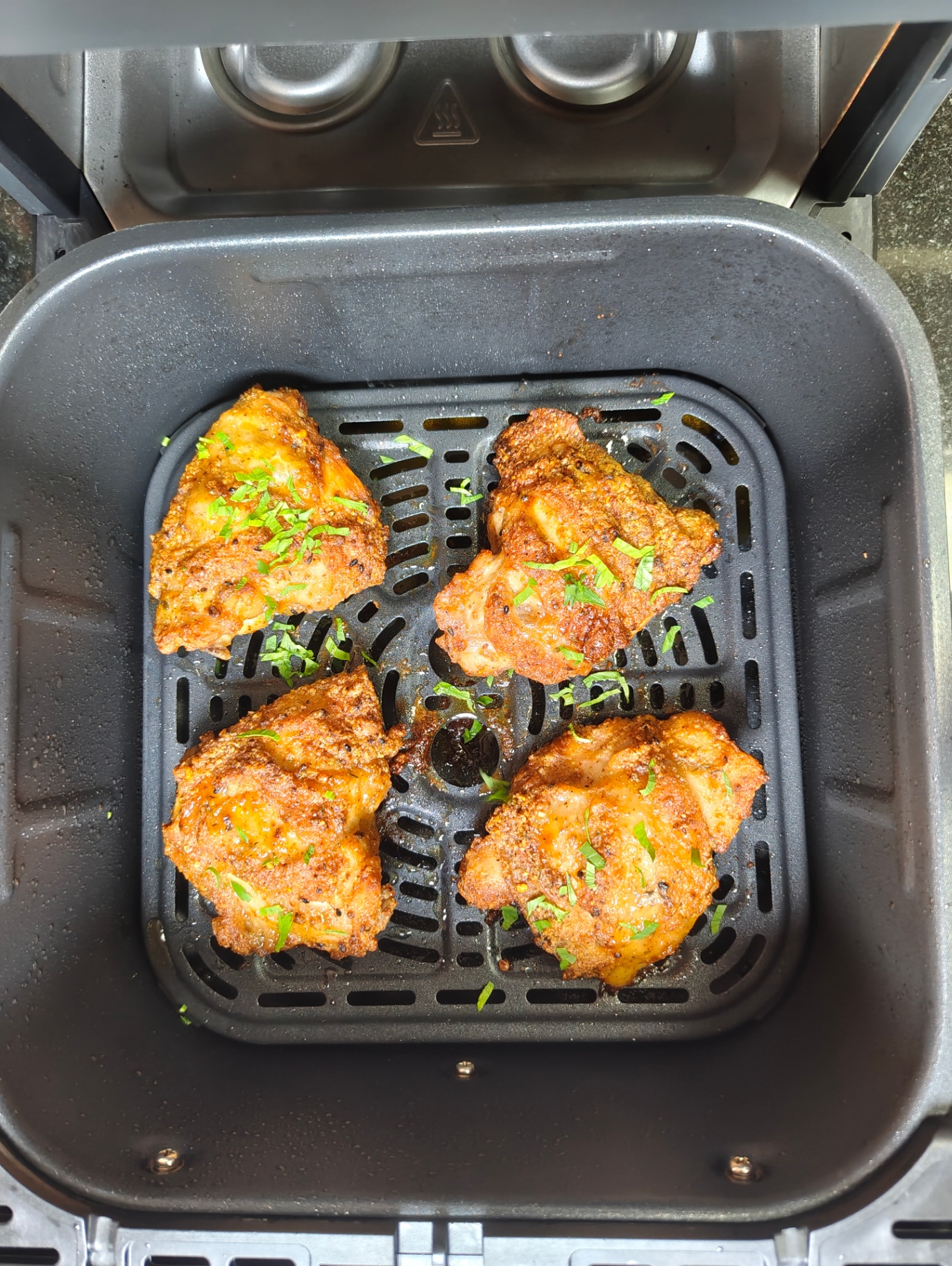
Lean, unbreaded chicken can dry quickly, especially in small pieces. Gentler heat and close checks help avoid unnecessary extra cooking. Breaded chicken may benefit from dry heat to refresh its coating, but the crisp outside does not prove that the meat inside is safely heated. For both, check the thickest part with a food thermometer.
Chips and Potato Wedges
Spread them out rather than making a deep pile. Turn or move pieces if appropriate for your appliance and the food, and avoid prolonged reheating once they are thoroughly hot. More time can turn a refreshed crisp surface into a dry, tough potato. Why Is My Air Fryer Food Not Crispy? explains the role of airflow and moisture.
Puff Pastry and Croissants
Brief, gentle stages can help refresh pastry without excessive browning. Watch delicate edges. Filled pastries need special care: the pastry may feel ready before a meat, cheese or other perishable filling is safely hot throughout.
Bread and Garlic Bread
Bread can harden with too much heat. Check early and avoid extending the cycle simply to make it darker. Garlic bread can benefit from a refreshed surface, but thin edges may dry before the middle warms. If soft bread is the goal, another reheating method may be more suitable.
Roasted Vegetables
Arrange similar-sized pieces with room around them and warm only as much as needed. Already cooked vegetables do not need a second full roasting cycle. Small pieces and tender vegetables can lose moisture or soften further before larger pieces heat through.
Rice, Pasta and Saucy Dishes
A microwave or stovetop is often more suitable because you can retain moisture and stir for even heating. Use the correct container for that method and check that perishable leftovers reach a safe temperature throughout.
Cooked rice needs particular care during cooling and storage. Cool it quickly and refrigerate promptly; do not leave it at room temperature. The Food Standards Agency warns that toxins can form in improperly stored rice and are not removed by reheating. Reheat only a safely stored portion and follow rice-specific storage guidance rather than assuming heat can rescue it.
Air Fry vs Reheat: Which Setting Should You Use?
Some air fryers have a dedicated Reheat function; others need manual temperature and time adjustments. A Reheat preset can be a starting point, not a guarantee that every food or portion will be ready when it finishes.
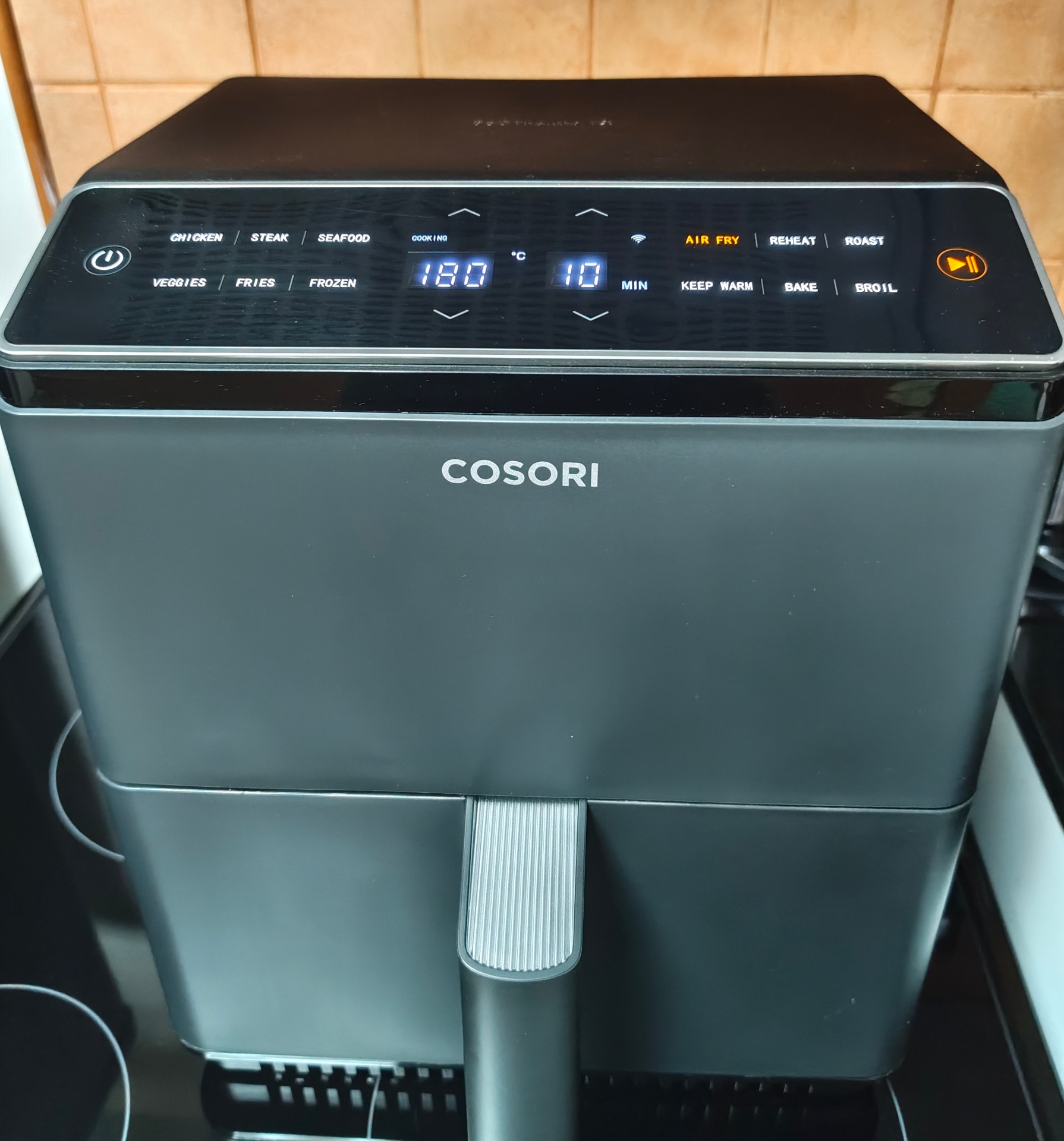
Functions and preset configurations vary between manufacturers and models, including COSORI models. Consult your appliance manual rather than assuming a setting behaves identically across machines. Air Fryer Cooking Modes Explained discusses these differences.
Common Mistakes When Reheating Food
- Using unnecessarily high temperatures: choose a gentler approach when the surface dries before the centre warms.
- Leaving food in too long: check in stages and avoid further heating once it is safely reheated.
- Overcrowding the basket: allow air to circulate and use batches where needed.
- Treating all leftovers alike: account for moisture, thickness, coatings and fillings.
- Using unsuitable containers or loose coverings: follow the appliance manual and never let a covering lift towards the heating element.
- Assuming a hot exterior means a safe centre: use a food thermometer and check several places.
- Reheating improperly stored food: discard unsafe leftovers rather than trying to fix them with heat.
When Is an Air Fryer Not the Best Choice?
Soups, stews, gravies, rice and saucy pasta usually benefit from a microwave or stovetop, where moisture can be retained and food stirred. Those methods can make it easier to warm a dish evenly without drying its surface.
Choose an air fryer when refreshing a crisp or roasted exterior is useful. Choose another method when preserving liquid, softness or a sauce is the priority. Neither is universally better.
Food Safety When Reheating Leftovers
- Refrigerate perishable leftovers promptly: generally within two hours, or within one hour when temperatures exceed 32°C (90°F).
- Keep refrigerated leftovers at 4°C (40°F) or below. Divide large quantities into shallow containers for quicker cooling.
- USDA guidance generally recommends using refrigerated leftovers within three to four days. Follow shorter food-specific limits where applicable.
- Reheat perishable leftovers to 74°C (165°F) throughout and verify with a food thermometer.
- Food stored unsafely should not be considered safe simply because it has been reheated.
- Avoid unnecessary repeated cooling and reheating: take out only the portion you need and keep the remainder safely refrigerated.
Source: USDA Food Safety and Inspection Service, Leftovers and Food Safety; FoodSafety.gov, Leftovers: The Gift that Keeps on Giving
Frequently Asked Questions
The food and your particular appliance matter as much as the setting you choose.
Can You Reheat Food Without Preheating?
Sometimes, depending on the food and appliance. Follow the manual and any applicable food guidance; a cold start may change how long heating takes. Do You Need to Preheat an Air Fryer? explains why there is no universal requirement.
Do You Need Oil to Reheat Food?
Not always. Some foods already contain enough fat. A little oil may help a surface, but it will not put lost moisture back into dry meat. Choose the method that suits the food rather than adding oil automatically.
Why Does Chicken Become Dry When Reheated?
Additional heat and moving air encourage moisture loss, particularly in lean pieces. Excessive temperature or time can make this worse. Use gentler stages while still reaching a safe temperature throughout.
Can You Reheat Takeaway Food in an Air Fryer?
Some takeaway foods suit it, such as pizza or chips, if they have been stored safely. Remove unsuitable packaging and check perishable leftovers thoroughly. Rice and saucy dishes often suit another method, and safe storage matters regardless of where the food came from.
Can You Use Foil When Reheating Food?
Only where your appliance manufacturer permits it and the setup is secure. Foil must not obstruct essential airflow or lift towards the heating element. Do not use loose coverings, and consult the manual before choosing a covered dish.
Is an Air Fryer Better Than a Microwave for Leftovers?
It depends on the texture you want. An air fryer can refresh crisp surfaces; a microwave can be more suitable for moist foods and sauces. Use microwave-safe dishes in the microwave, and check even heating whichever method you choose.
Can You Reheat Frozen Leftovers in an Air Fryer?
Some safely stored frozen foods can be reheated from frozen, but thick portions may heat unevenly while their surfaces dry out. Follow suitable food and appliance instructions; if thawing first, use a safe method such as refrigerator thawing, not the kitchen counter. Check perishable leftovers reach 74°C (165°F) throughout.
How Do You Know Leftovers Are Safely Reheated?
Use a food thermometer to check 74°C (165°F) throughout perishable leftovers, including the centre and thickest portions. Appearance, steam and a hot surface alone are not reliable checks. Reheating also cannot undo unsafe storage.
Final Thoughts
Give leftovers enough heat to warm safely, but not an unnecessary second cooking cycle. Match the method to the food: circulating dry heat for a refreshed exterior, or a microwave or stovetop when moisture and stirring matter more. Safe cooling, storage and a thermometer check come before texture.