
Ingredient Guides
Fresh Herbs in Everyday Cooking: How to Use, Pair and Store Them
Fresh herbs are one of the easiest ways to add flavour to everyday cooking. A little chopped parsley can brighten a plate of potatoes, basil works beautifully with tomato and mozzarella, and coriander brings freshness to salads, sauces and all sorts of savoury dishes.
But herbs aren't always interchangeable. Some are best added just before serving, while others can handle longer cooking.
Here's a practical guide to choosing, using and storing some of the most useful fresh herbs in the kitchen.
The images in this guide are AI-generated editorial illustrations.
By Esther LackiePublished
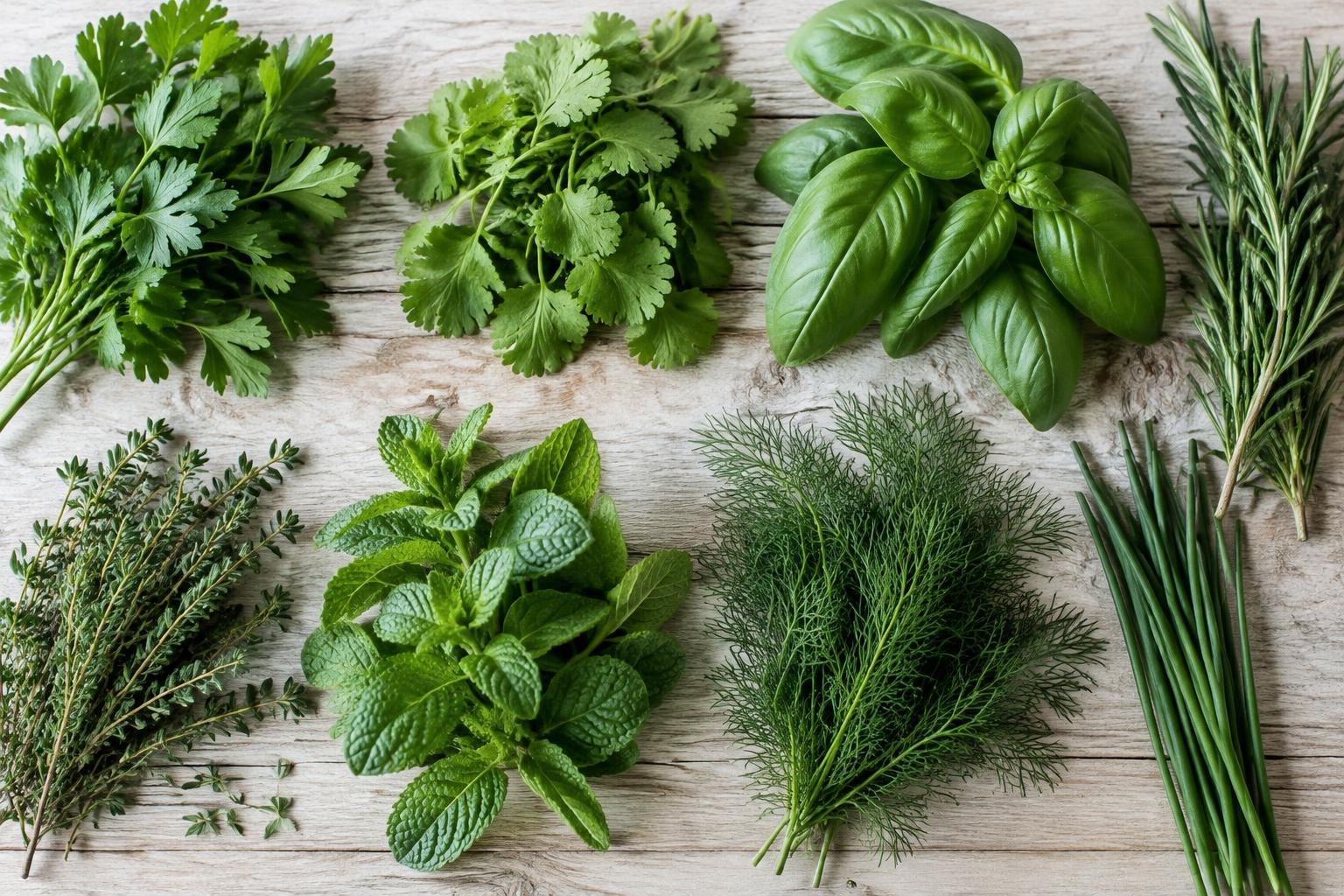
Why Cook with Fresh Herbs?
Fresh herbs add aroma, freshness and flavour. They can brighten a rich sauce, complement vegetables or bring a contrasting finish to a cooked dish without needing a complicated seasoning mixture.
Tender herbs such as basil, coriander, parsley, mint, dill and chives are often best added near the end of cooking or as a garnish. Their delicate aromas can fade with prolonged heat. Woody herbs such as rosemary and thyme can generally withstand longer cooking, although the dish and how the herb is prepared still matter.
Fresh and dried herbs are useful in different ways. Fresh leaves bring a lively aroma and texture; dried herbs generally have a more concentrated flavour by volume and can work well in dishes with time for that flavour to develop. Neither is automatically better, and they do not always taste the same.
Eight Fresh Herbs Worth Knowing
Start with the flavours you enjoy and choose herbs that suit the ingredients in front of you.
1. Parsley
Parsley tastes fresh, grassy and mildly peppery. Flat-leaf parsley is particularly useful in savoury dishes, where it adds freshness without dominating the other ingredients.
Pair it with potatoes, garlic butter, fish, chicken, vegetables, salads and sauces. Chop the leaves and add near the end of cooking or just before serving.
Keep parsley refrigerated and protect it from excess moisture. Tender stems can be finely chopped when they suit the dish; coarser stems need a different use or can be discarded.
2. Coriander (Cilantro)
Coriander has a bright, citrusy and distinctive flavour. Some people experience a soapy taste, partly because of genetic differences in flavour perception; it is not a herb everyone enjoys equally.
It works well with bean salads, curries, rice, chilli, seafood and fresh sauces. Add chopped leaves and tender stems towards the end of cooking or use them raw.
Refrigerate fresh coriander with suitable moisture control: protect the leaves from drying out without leaving them waterlogged.
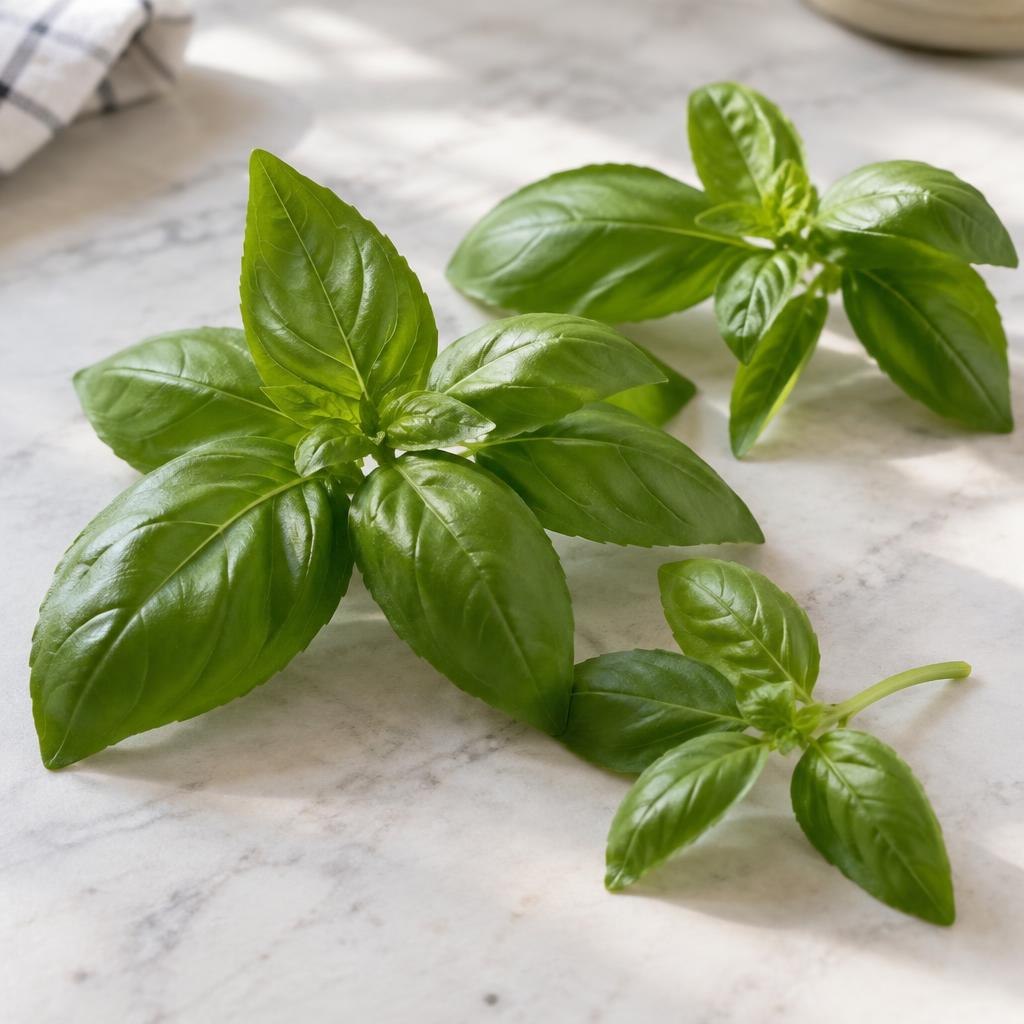
3. Basil
Basil is sweet, aromatic and slightly peppery, with differences between varieties. It pairs especially well with tomatoes, mozzarella, pasta, salads and Mediterranean-inspired dishes.
Tear or chop gently and add near the end of cooking to preserve its aroma. Leaves added just before serving bring a fresh finish to warm dishes too.
Basil is sensitive to cold damage. For short-term storage, keep stems in a little water at room temperature, away from direct sunlight, where suitable. In a very hot kitchen, choose a cooler suitable spot and check the leaves regularly rather than assuming room-temperature storage will always work.
4. Rosemary
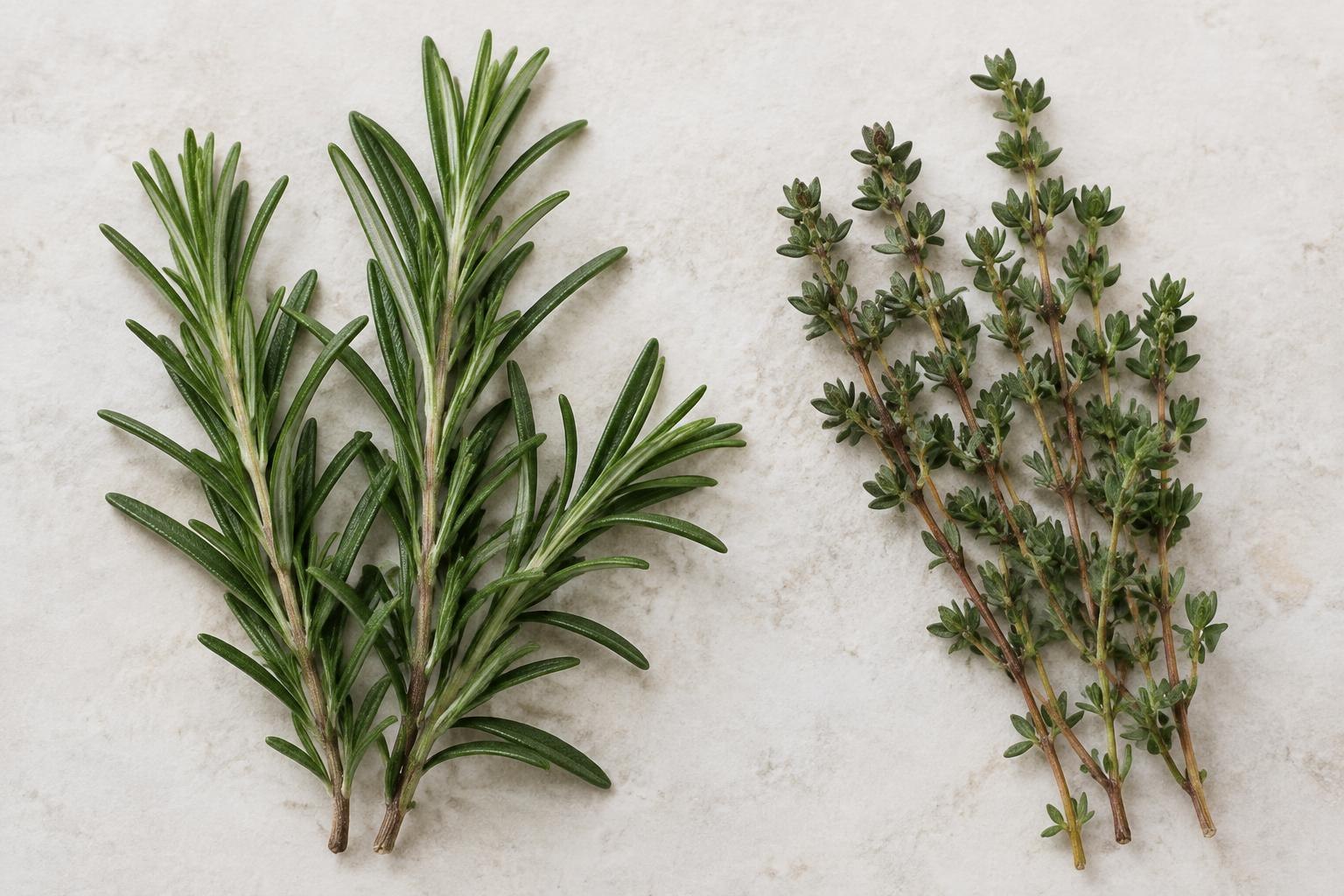
Rosemary is strong, woody, pine-like and aromatic. It suits roasted potatoes, lamb, chicken, root vegetables and savoury breads.
Use it sparingly so it does not overwhelm the dish. Add sprigs during cooking and remove tough stems before serving, or strip and finely chop the leaves when you want them distributed through the food.
5. Thyme
Thyme tastes earthy, savoury and gently floral. It works well with mushrooms, chicken, soups, stews, roasted vegetables and sauces.
Add sprigs during cooking and remove woody stems before serving, or strip the small leaves from the stems. Its quieter flavour makes it useful when you want an aromatic background rather than a strong herbal finish.
6. Mint
Mint is cooling, fresh and aromatic. Try it with yoghurt sauces, salads, peas, lamb, fruit and drinks.
Add fresh leaves near serving time for their liveliest flavour. Different mint varieties can have different flavour strengths, so start with a little and taste before adding more.
7. Dill
Dill tastes fresh, grassy and lightly anise-like. Its fine, feathery leaves suit fish, potatoes, cucumber, yoghurt dressings and eggs.
Add it near the end of cooking or just before serving, because prolonged heat reduces its delicate aroma.
8. Chives
Chives have a mild onion flavour. They are useful with eggs, potatoes, cream cheese, soups and savoury dips.
Finely snip and sprinkle over finished dishes. They bring a gentle onion note without the texture or strength of chopped raw onion.
Parsley vs Coriander: What's the Difference?
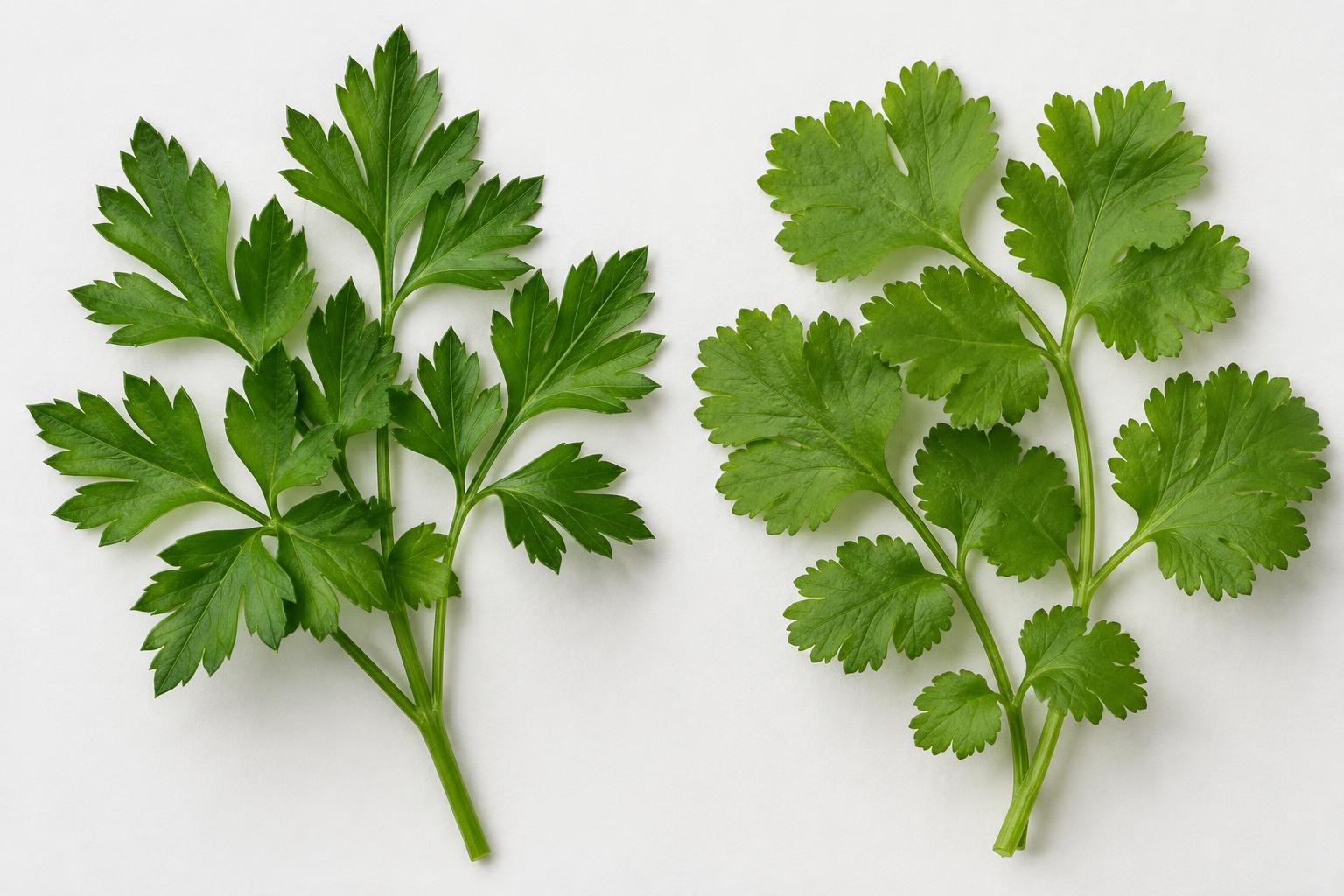
Flat-leaf parsley and coriander can look similar, but their flavours are quite different. Parsley is milder, grassy and gently peppery; coriander is more distinctive, citrusy and aromatic. Swapping one for the other changes the flavour of a dish.
Look at the leaf shape and arrangement. Flat-leaf parsley often has more pointed, sharply toothed lobes, while coriander leaves commonly have rounder, scalloped lobes. Leaf shapes vary with growth and variety, so appearance alone is not a reliable identification method.
Smell a leaf and check the label when purchasing. Use these clues together to distinguish shop-bought culinary herbs; do not use this illustration to identify unknown or foraged plants.
When Should You Add Fresh Herbs?
These are practical guidelines, not absolute rules. A recipe may use a herb at more than one stage, and preparation affects how its flavour develops.
| When to add | Useful herbs | What to keep in mind |
|---|---|---|
| Before or during cooking | Rosemary and thyme | Often suitable for longer cooking; remove tough woody stems before serving. |
| Near the end | Parsley, coriander, dill, chives and basil | Late additions generally retain more fresh aroma and flavour. |
| As a garnish | Tender herbs, including mint | Add just before serving for freshness and aroma. |
- Before or during cooking
- Useful herbs: Rosemary and thyme
- What to keep in mind: Often suitable for longer cooking; remove tough woody stems before serving.
- Near the end
- Useful herbs: Parsley, coriander, dill, chives and basil
- What to keep in mind: Late additions generally retain more fresh aroma and flavour.
- As a garnish
- Useful herbs: Tender herbs, including mint
- What to keep in mind: Add just before serving for freshness and aroma.
How to Store Fresh Herbs
Storage life varies with freshness, herb variety and storage conditions. There is no fixed shelf life that suits every bunch.
- Remove damaged leaves and check the remaining herbs regularly.
- Keep herbs clean and avoid excess moisture. If washed before storage, dry them gently and thoroughly.
- Refrigerate most tender herbs in a suitable container or with a lightly damp paper towel, not a soaking-wet one.
- For some bunches, trimmed stems can stand in a small amount of water with the leaves loosely covered in the refrigerator. Keep the leaves above the water and change the water as needed.
- Keep basil away from excessively cold storage where possible; short-term storage in water in a suitable cool room can help.
- Keep rosemary and thyme refrigerated, protected from drying out but not excessively wet.
- Discard herbs that become slimy, mouldy or spoiled. Do not try to rescue spoiled leaves for sauces or freezing.
- Wash herbs under clean running water before use and dry as needed. Do not use soap or detergent on produce.
Source: U.S. Food and Drug Administration, Selecting and Serving Produce Safely
Can You Freeze Fresh Herbs?
Yes. Many herbs can be washed, dried, chopped and frozen in small portions. Freeze portions on a tray or in a suitable ice-cube tray, then transfer them to a labelled freezer container. Small portions make it easier to take just what a cooked dish needs.
Freezing changes the texture, so frozen herbs are generally better for cooked dishes than fresh garnishes. Basil can be frozen too, but its leaves will not have the same fresh appearance and texture after thawing.
Freezing chopped herbs in small portions of oil can be convenient. Prepare them hygienically and freeze promptly; do not leave homemade herb or garlic oil at room temperature. Thaw only what you need in the refrigerator or add a frozen portion directly to cooking, taking care with hot-pan splashes.
Homemade oils containing herbs or garlic need refrigeration when they are not frozen. The CDC advises discarding refrigerated homemade herb or garlic oils after 4 days because of the risk of botulism. Freezing does not make previously unsafe storage safe; avoid repeatedly thawing and refreezing portions.
Source: CDC, Botulism Prevention
Can You Substitute Dried Herbs for Fresh?
Dried herbs are generally more concentrated by volume, although strength varies with the herb, its age and how it was stored. A commonly used starting point is 1 tablespoon of fresh chopped herbs to approximately 1 teaspoon of dried herbs.
That is a rough guideline, not an exact rule. Start with less if the herb is strong, taste the dish where safe to do so and adjust. Delicate herbs such as basil, coriander and dill can taste quite different when dried, so the substitution may not recreate the same fresh finish.
Common Fresh Herb Mistakes
- Adding delicate herbs too early — prolonged cooking can lose the fresh aroma you wanted.
- Using too much rosemary or another strong herb — start sparingly and adjust to the dish.
- Storing herbs excessively wet — damp protection is different from waterlogged leaves.
- Treating all stems alike — tender coriander stems can be useful, while tough rosemary and thyme stems should be removed before serving.
- Assuming herbs substitute directly — parsley, coriander and mint each bring a different flavour.
- Keeping herbs after visible spoilage — discard slimy or mouldy herbs rather than chopping them into food.
Frequently Asked Questions
Is coriander the same as cilantro?
Yes, they refer to the same plant. In many regions, coriander means the fresh leaves as well as the plant's seeds. In the United States, cilantro commonly means the leaves and tender stems, while coriander usually means the seeds. Check which part a recipe requires; the seeds and leaves have different flavours.
Can you use parsley instead of coriander?
You can if you prefer parsley, but it changes the flavour. Parsley is milder and grassy rather than coriander's distinctive citrusy taste. Treat it as a flavour adjustment, not an identical replacement.
Which herbs are best for potatoes?
Parsley, rosemary, thyme, dill and chives all work well. Choose rosemary or thyme for an aromatic cooked flavour, or parsley, dill or chives for a fresher finish, depending on the dish.
Which herbs work well with fish?
Parsley and dill are useful choices; coriander works well when its distinctive flavour suits the sauce or seasoning. Add tender herbs late when you want their fresh aroma.
Can you freeze fresh basil?
Yes. Wash, dry and freeze it in small portions, chopped if useful. It is generally better in cooked dishes after freezing because the leaves lose their fresh texture. If freezing in oil, freeze promptly and follow the homemade herb-oil safety advice above.
Should fresh herbs be added before or after cooking?
It depends on the herb and dish. Rosemary and thyme often suit cooking from an earlier stage; tender herbs generally keep more fresh flavour when added near the end or just before serving. These are guidelines rather than universal rules.
Can you use herb stems?
Tender coriander stems and finely chopped tender parsley stems can be useful. Tough woody rosemary and thyme stems should be removed before serving, even when used to flavour a dish during cooking. Check texture rather than treating every stem the same.
Are fresh herbs better than dried herbs?
Neither is always better. Fresh herbs offer a lively aroma and texture, while dried herbs can be convenient and effective in longer-cooked dishes. Choose for the flavour and finish you want.
Fresh Herbs in the Lackie Flavors Kitchen
Air Fryer Eggplant with Tomato & Mozzarella uses fresh parsley and basil in a garlic and herb mixture, with basil leaves reserved for the finish. It shows that tender herbs can also be part of a mixture used before cooking when that is what the dish calls for.
Simple Lemon and Shichimi Butter Bean Salad uses chopped fresh coriander in a no-cook salad with lemon, beans and vegetables.
Air Fryer Garlic Butter Beef Bites with Mashed Potatoes includes fresh parsley in the garlic butter sauce. Creamy Shichimi Marry Me Butter Beans uses fresh coriander as a garnish, adding a fresh finish to a rich stovetop dish.
Start with the Herbs You Enjoy
Fresh herbs don't need to make cooking complicated. Start with a few you enjoy, learn how their flavours work, and use them in the dishes you already make.
Parsley, coriander and basil are especially versatile for everyday meals, while rosemary and thyme are useful when you want a deeper, more aromatic flavour.
The more you cook with fresh herbs, the easier it becomes to know which ones to reach for.