Ingredient Guides
A Complete Guide to Mushrooms: Types, Cleaning, Storage and Cooking Tips
Mushrooms are one of the most versatile ingredients in the kitchen. They bring savoury flavour and a satisfying texture to everyday meals, from breakfast eggs to pasta, rice dishes and air fryer favourites.
Not all mushrooms are the same, though. Varieties differ in flavour, texture, preparation and the dishes they suit best, so it helps to know what you're working with before you start cooking.
This guide covers how to choose, clean, store and cook the most common edible mushrooms, so you can get good results every time.
The images in this guide are AI-generated editorial illustrations.
By Esther LackiePublished
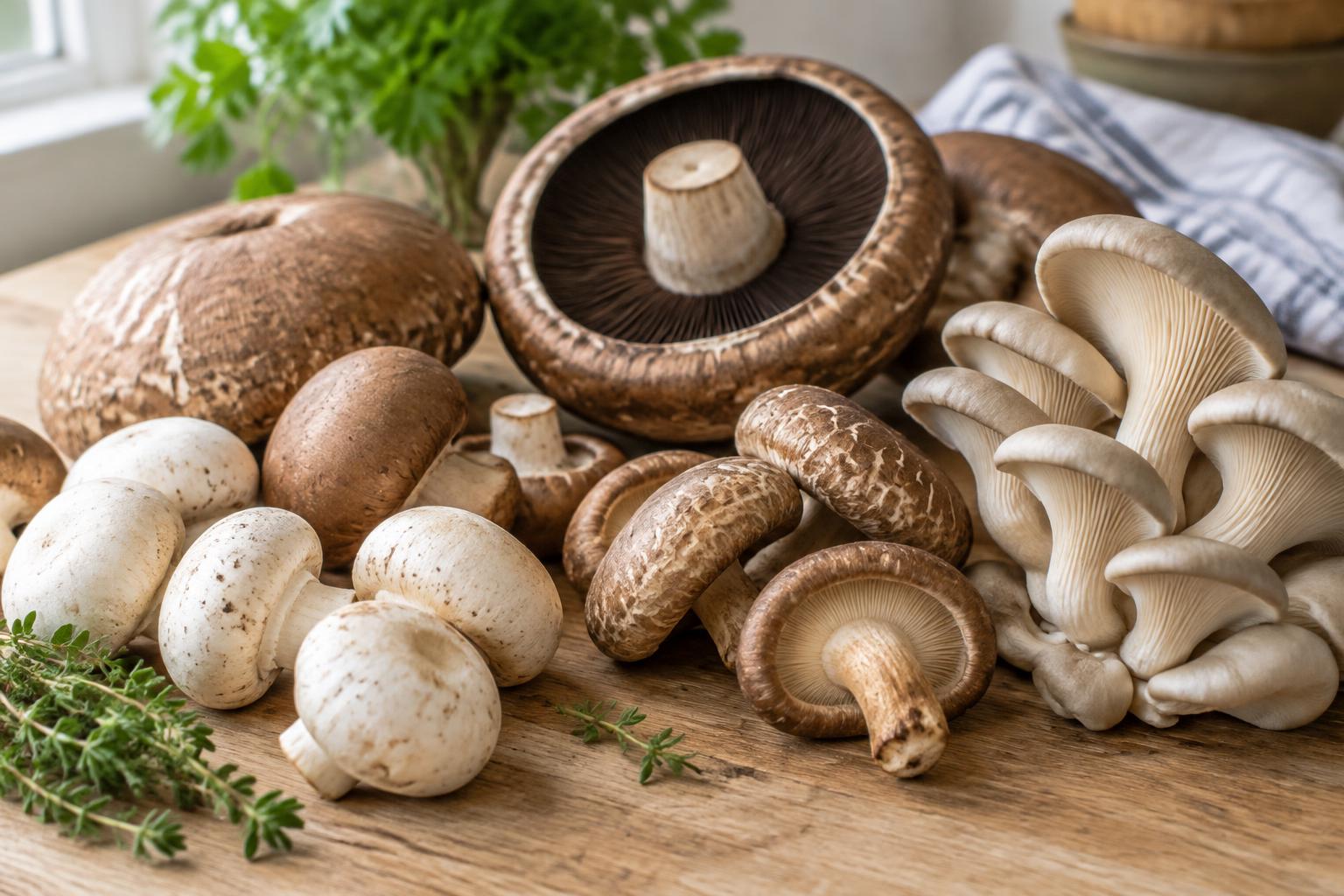
Types of Mushrooms
These five varieties are widely available in shops and cover most everyday cooking. Each has its own flavour and texture, so choosing the right one makes a real difference to your dish.
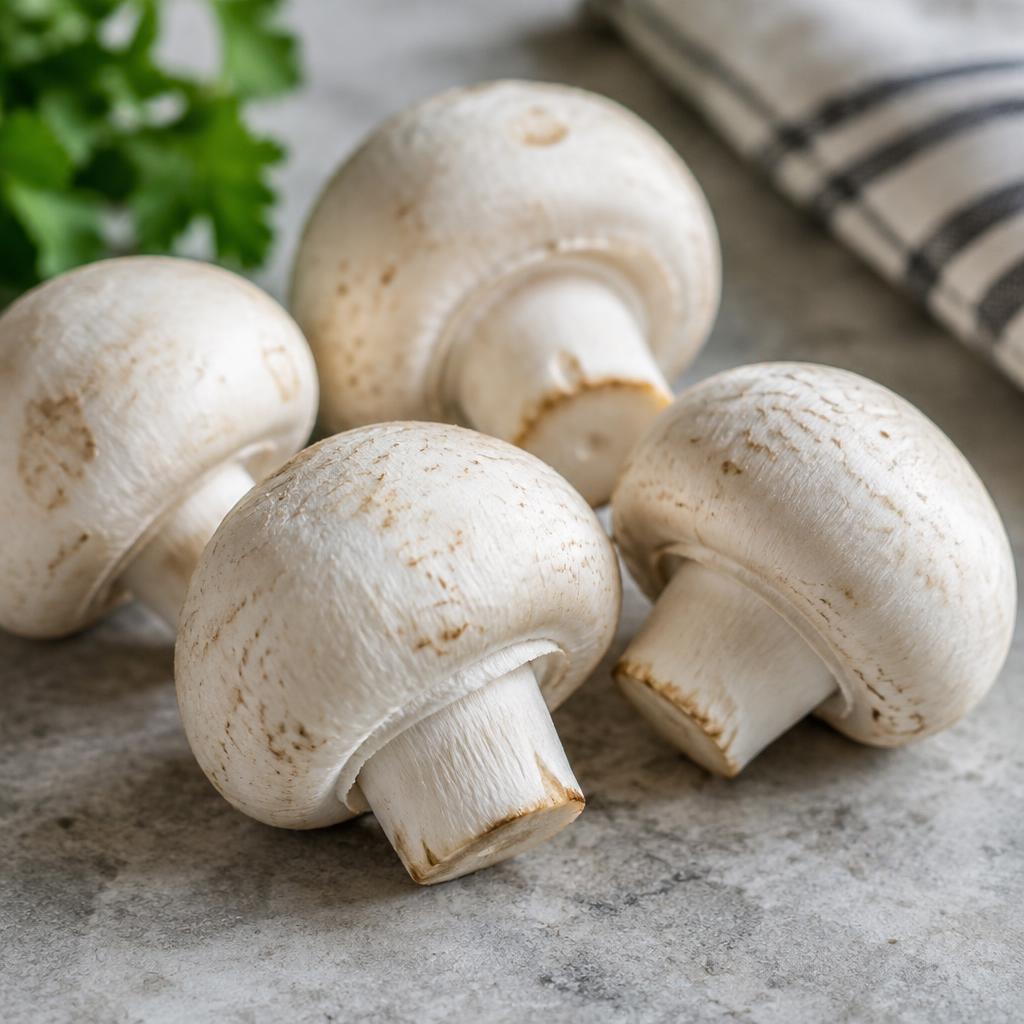
White button mushrooms
White button mushrooms have a mild flavour and a tender texture, which makes them a good all-rounder for everyday cooking.
They work well in eggs, soups, sauces and simple sautéed dishes, and they take on the flavour of whatever they're cooked with.
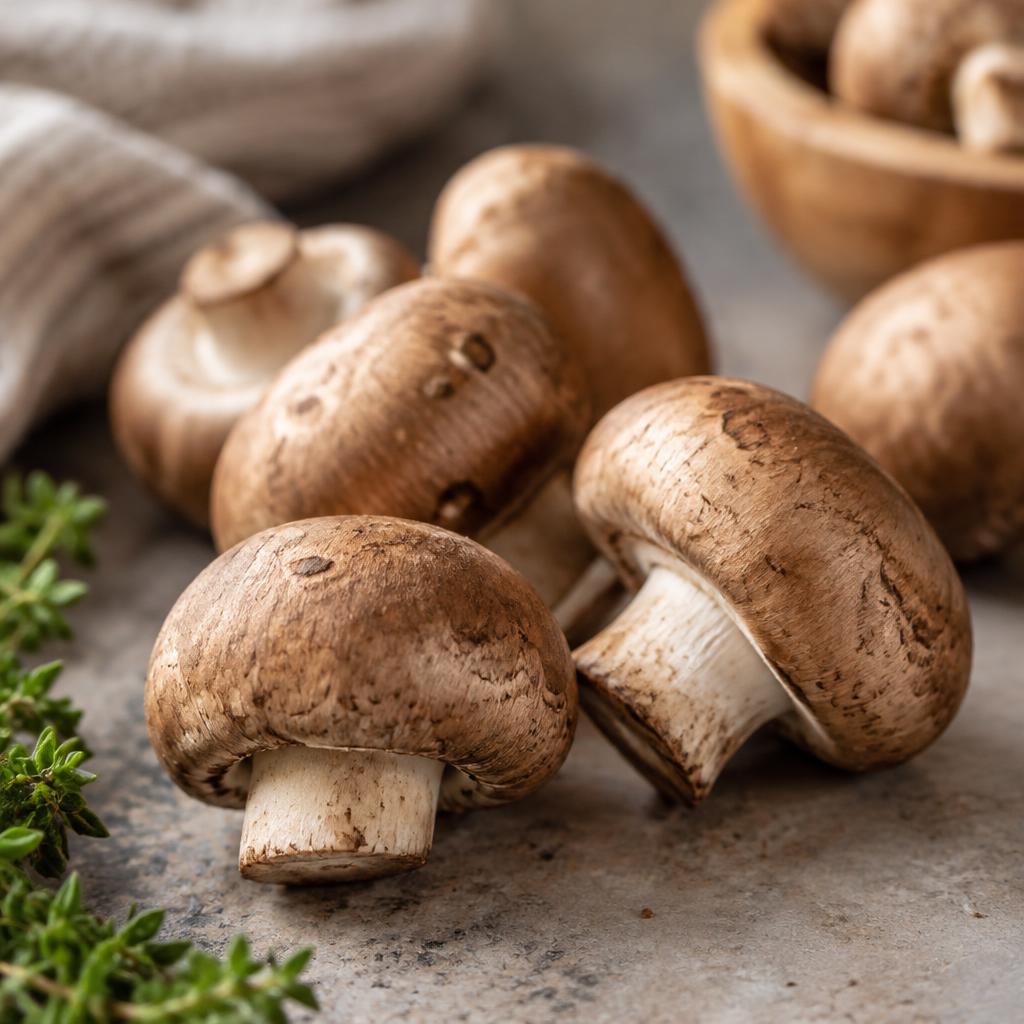
Chestnut mushrooms
Chestnut mushrooms have an earthier flavour than white button mushrooms and a firmer texture that holds up well during cooking.
They're a good choice for pasta, breakfast dishes and roasting, where their deeper flavour really comes through.
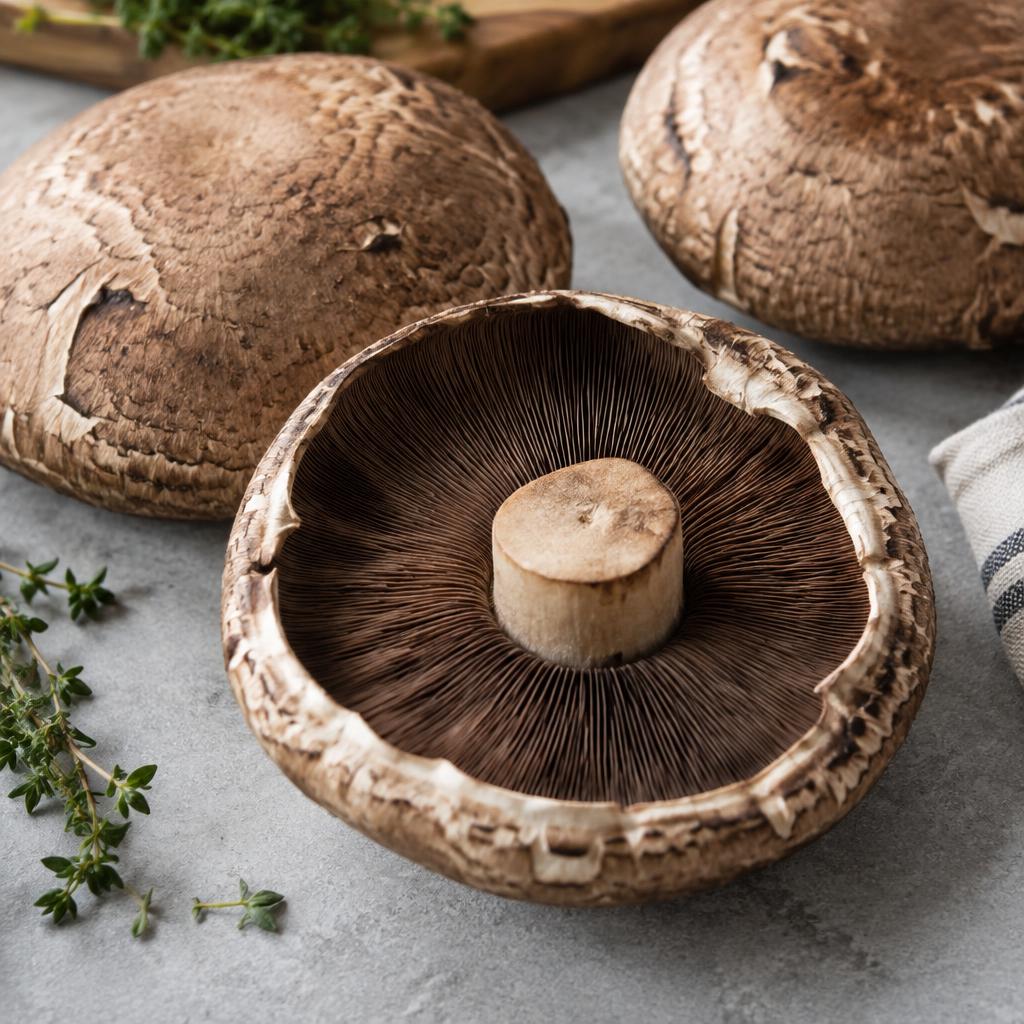
Portobello mushrooms
Portobello mushrooms are large, mature mushroom caps with a substantial, meaty texture.
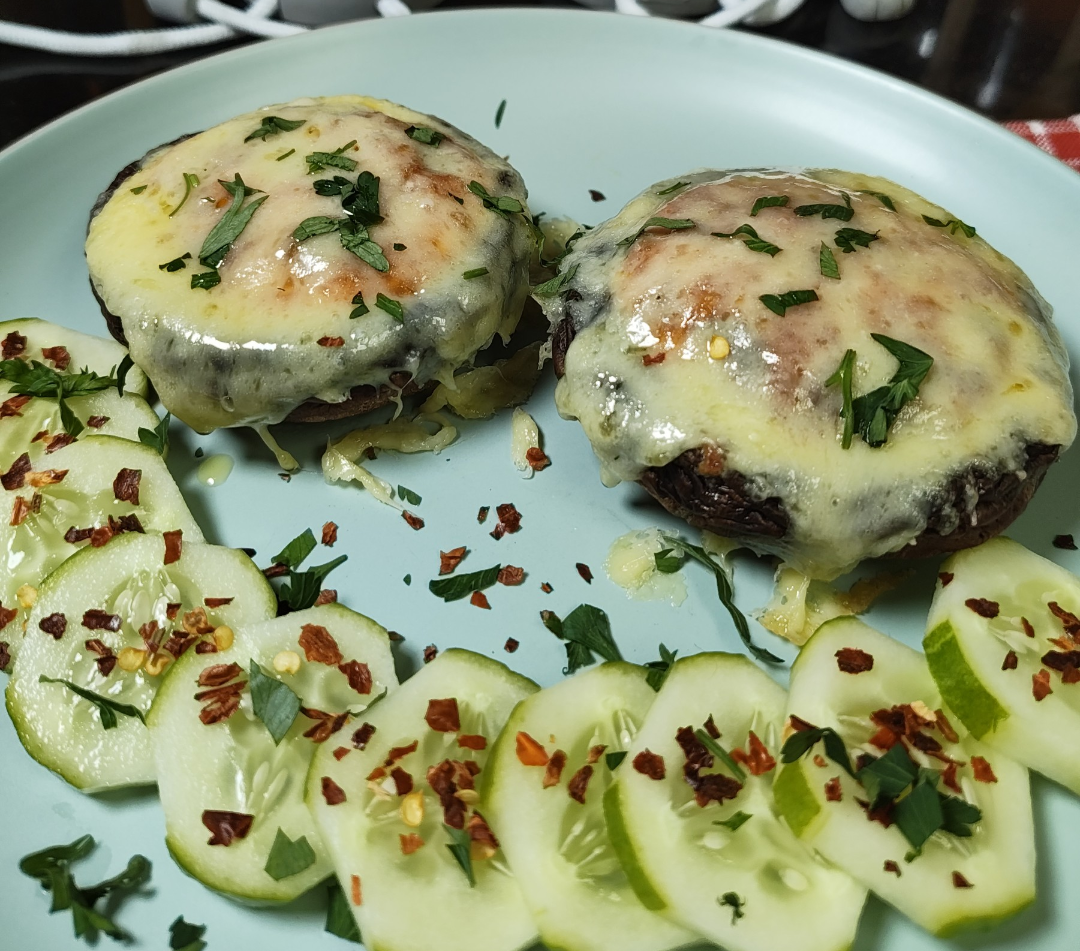
Their size and sturdiness make them ideal for stuffing, grilling, roasting and air frying.
For a breakfast idea, try my Air Fryer Stuffed Portobello Mushrooms with Egg and Cheese, filled with eggs, sautéed peppers and cheddar.
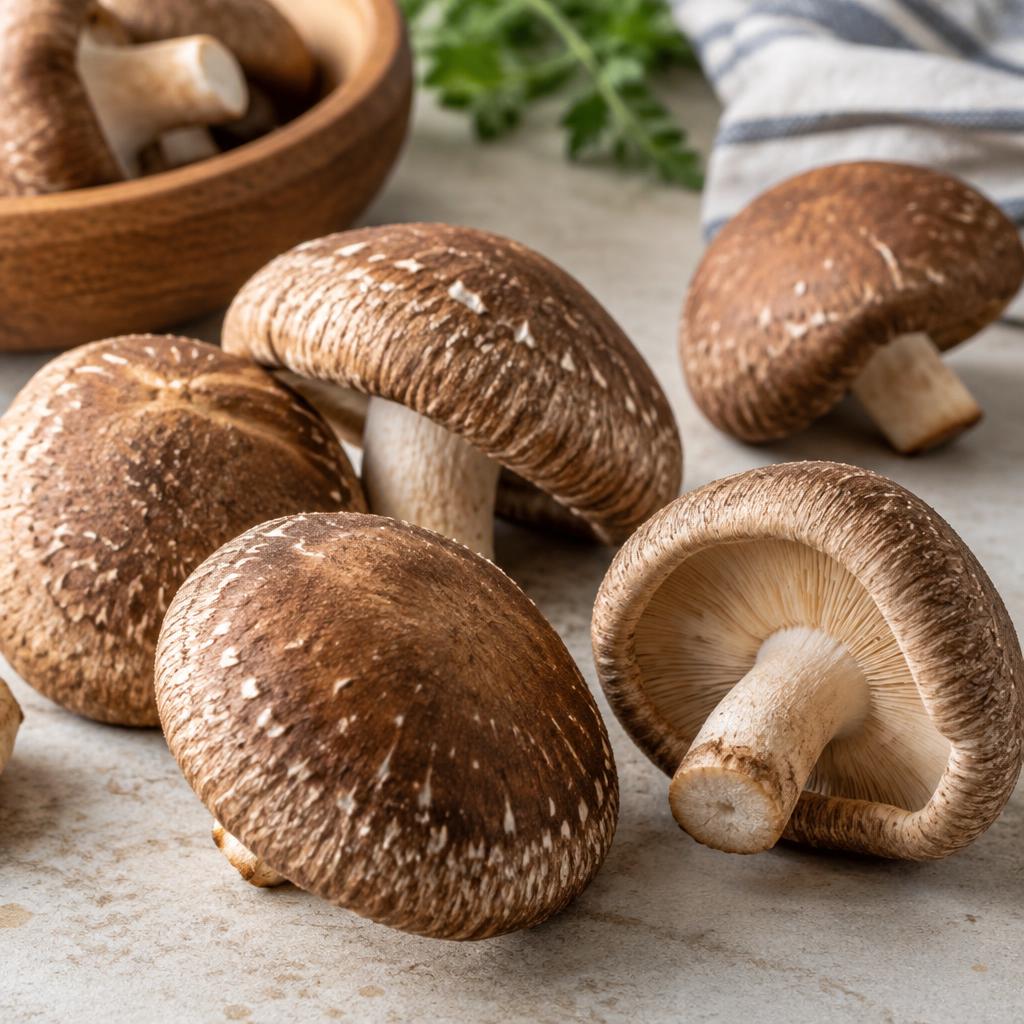
Shiitake mushrooms
Shiitake mushrooms have a distinctive savoury flavour that works beautifully in stir fries, broths and noodle dishes.
Their stems can be tough, so it's often best to remove them where appropriate and cook just the caps.
Oyster mushrooms
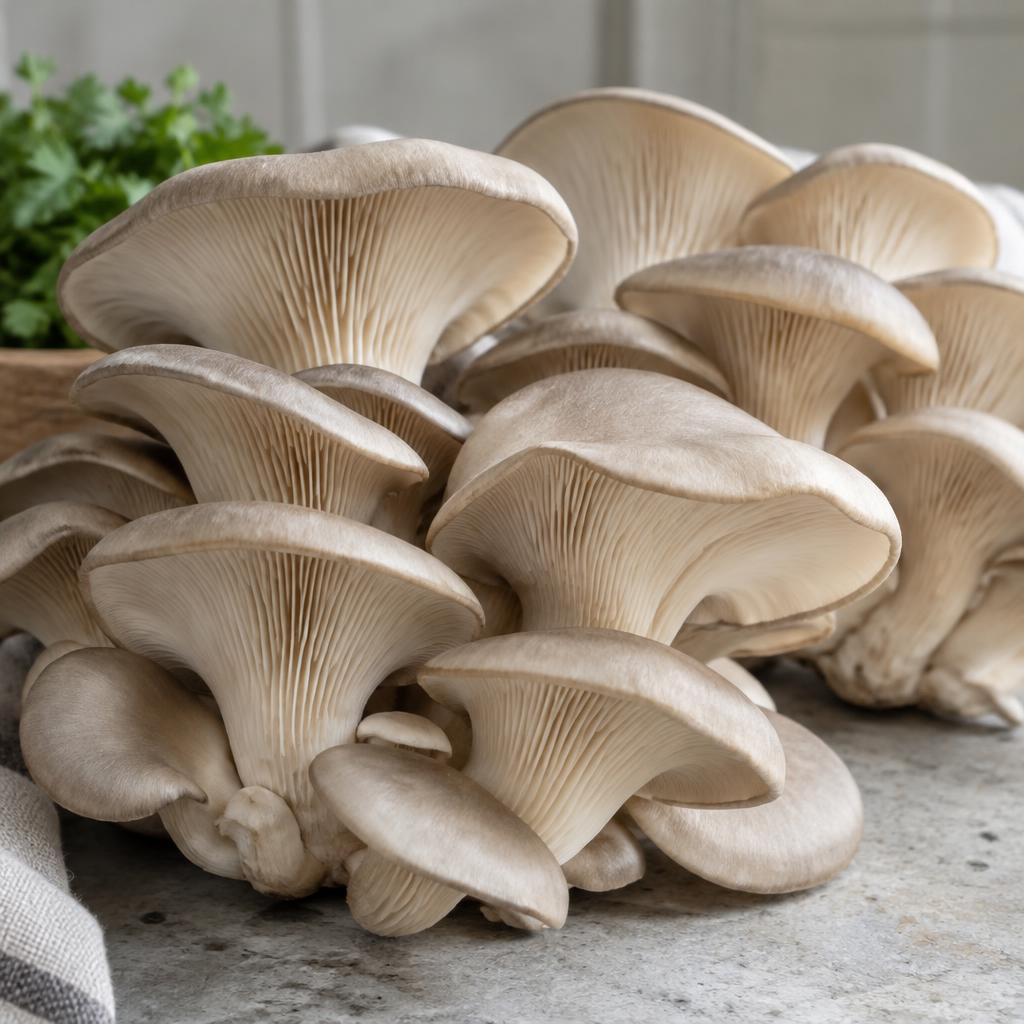
Oyster mushrooms have a delicate, layered appearance and a tender texture.
They're well suited to stir frying, roasting and air frying, where their thin edges can turn nicely crisp.
Mushroom Varieties at a Glance
A quick comparison of the five varieties covered in this guide.
| Mushroom variety | Flavour | Texture | Best everyday cooking uses |
|---|---|---|---|
| White button | Mild | Tender | Eggs, soups, sauces, sautéed dishes |
| Chestnut | Earthier than button | Firm | Pasta, breakfast dishes, roasting |
| Portobello | Savoury, developed | Substantial | Stuffing, grilling, roasting, air frying |
| Shiitake | Distinctive and savoury | Firm caps, tough stems | Stir fries, broths, noodles |
| Oyster | Delicate | Tender | Stir frying, roasting, air frying |
- White button
- Flavour: Mild
- Texture: Tender
- Best everyday cooking uses: Eggs, soups, sauces, sautéed dishes
- Chestnut
- Flavour: Earthier than button
- Texture: Firm
- Best everyday cooking uses: Pasta, breakfast dishes, roasting
- Portobello
- Flavour: Savoury, developed
- Texture: Substantial
- Best everyday cooking uses: Stuffing, grilling, roasting, air frying
- Shiitake
- Flavour: Distinctive and savoury
- Texture: Firm caps, tough stems
- Best everyday cooking uses: Stir fries, broths, noodles
- Oyster
- Flavour: Delicate
- Texture: Tender
- Best everyday cooking uses: Stir frying, roasting, air frying
Choosing Fresh Mushrooms
When you're shopping for mushrooms, look for ones that feel firm and look fresh. Avoid any with excessive sliminess, an unpleasant or sour smell, or extensive soft or decaying areas.
Keep in mind that appearance naturally varies between varieties, and minor marks or colour differences don't necessarily mean mushrooms are spoiled. Judge each variety by its own normal appearance.
Cleaning Mushrooms
For most mushrooms, brushing or wiping off visible dirt with a dry cloth or soft brush is all that's needed.
If they're particularly dirty, a quick rinse under cool water is fine — just dry them promptly afterwards with a clean cloth or kitchen paper.
What you want to avoid is prolonged soaking. Mushrooms absorb water, and waterlogged mushrooms won't brown as nicely when cooked.
Storing Mushrooms
Refrigerate fresh mushrooms promptly after buying them. Breathable packaging, such as a paper bag, helps where appropriate, because it lets excess moisture escape rather than trapping it around the mushrooms.
Keep mushrooms dry during storage and check them for spoilage before cooking.
How long mushrooms keep varies with the variety, their freshness when bought and the storage conditions, so there's no single shelf life that applies to every mushroom. When in doubt, check how they look, feel and smell.
Preparing Mushrooms
Start by trimming any dry or tough stem ends. On many varieties the stems can simply be chopped and cooked along with the caps, but tougher stems — such as those on shiitake mushrooms — are better discarded.
To prepare portobello caps for stuffing, remove the stem first. You can also scrape out the gills if you like, though this is entirely optional.
Portobello gills are edible. Removing them simply creates additional space for stuffing and can reduce the dark colouring they add to a filling — it isn't a food safety requirement.
Cooking Methods
Mushrooms naturally release moisture as they cook, so whatever method you use, giving that moisture a chance to evaporate is the key to good flavour and texture.
Sautéing
Use sufficient pan heat and avoid overcrowding the pan. If too many mushrooms go in at once, they steam instead of browning. Cook in batches if needed, and allow the released moisture to evaporate before expecting them to take on colour.
Roasting
Arrange mushrooms with space between them on the tray. Crowded mushrooms trap steam, while spaced-out mushrooms roast properly and develop deeper flavour.
Air frying
Allow airflow around the mushrooms so they cook evenly, and adjust the cooking time according to their size, variety and preparation. A whole stuffed portobello needs longer than a handful of sliced button mushrooms.
Stuffing
Choose suitable mushroom caps — portobellos are the classic choice — prepare your filling appropriately and avoid overfilling, which can make the caps hard to handle and the filling unevenly cooked.
Common Cooking Mistakes
A few small habits make the difference between soggy mushrooms and beautifully browned ones.
- Overcrowding the pan — cook in batches so mushrooms brown rather than steam.
- Leaving mushrooms wet after cleaning — dry them promptly so they can take on colour.
- Using excessive oil — mushrooms absorb oil readily, so start with a moderate amount.
- Cutting mushrooms into uneven sizes — keep pieces similar so they cook at the same rate.
- Overfilling stuffed mushroom caps — use enough filling to generously fill the cap without it spilling over.
- Assuming all varieties cook the same way — adjust time and method for the variety you're using.
- Not allowing moisture to evaporate — give released water time to cook off before expecting browning.
Why Portobello Mushrooms Work for Stuffing
Portobello mushrooms are the natural choice for stuffed mushroom dishes. Their broad caps offer plenty of room for filling, and their substantial texture holds up well during cooking without collapsing.
They hold savoury fillings particularly well and suit combinations of egg, vegetables, herbs and cheese. If you're looking for a mushroom that can carry a filling as a meal in itself, this is the one.
Everyday Ways to Use Mushrooms
Once you know your varieties, mushrooms fit into almost any meal of the day:
- Breakfast eggs — sliced mushrooms folded into an omelette or scrambled eggs
- Pasta dishes — sautéed mushrooms with garlic and herbs
- Rice dishes — mushrooms stirred through seasoned rice
- Soups — mushrooms add depth to broths and creamy soups
- Vegetable sides — simply sautéed or roasted with seasoning
- Stuffed mushrooms — filled caps as a starter or light meal
- Air fryer meals — quick, evenly cooked mushrooms with little effort
Frequently Asked Questions
Should mushrooms be washed before cooking?
A quick rinse under cool water is fine if your mushrooms are dirty, despite the old advice to never wash them. The important thing is to dry them promptly afterwards and avoid prolonged soaking, which leaves them waterlogged.
Can portobello mushroom gills be eaten?
Yes, portobello gills are completely edible. Some cooks remove them to create more space for stuffing or to stop them darkening a filling, but that's a preference, not a safety issue.
Can mushroom stems be eaten?
In most cases, yes. The stems of button, chestnut, portobello and oyster mushrooms can be chopped and cooked along with the caps. Shiitake stems are the common exception — they're tough and are usually discarded.
Why do mushrooms release water during cooking?
Mushrooms contain a lot of moisture, and heat draws it out. This is completely normal. Let the liquid evaporate and the mushrooms will then start to brown and develop flavour.
Can mushrooms be cooked in an air fryer?
Yes, mushrooms cook well in an air fryer. Allow airflow around them, avoid overcrowding the basket and adjust the time for the size and variety you're cooking.
How can you tell when mushrooms have spoiled?
Signs of spoilage include excessive sliminess, an unpleasant or sour smell and extensive soft or decaying areas. If mushrooms show these signs, it's best to discard them.
Can cooked mushrooms be refrigerated and reheated?
Yes. Let cooked mushrooms cool, then refrigerate them promptly in a covered container and reheat them thoroughly before serving. As with any cooked food, don't leave them sitting out at room temperature for extended periods.
Mushroom Recipes to Try
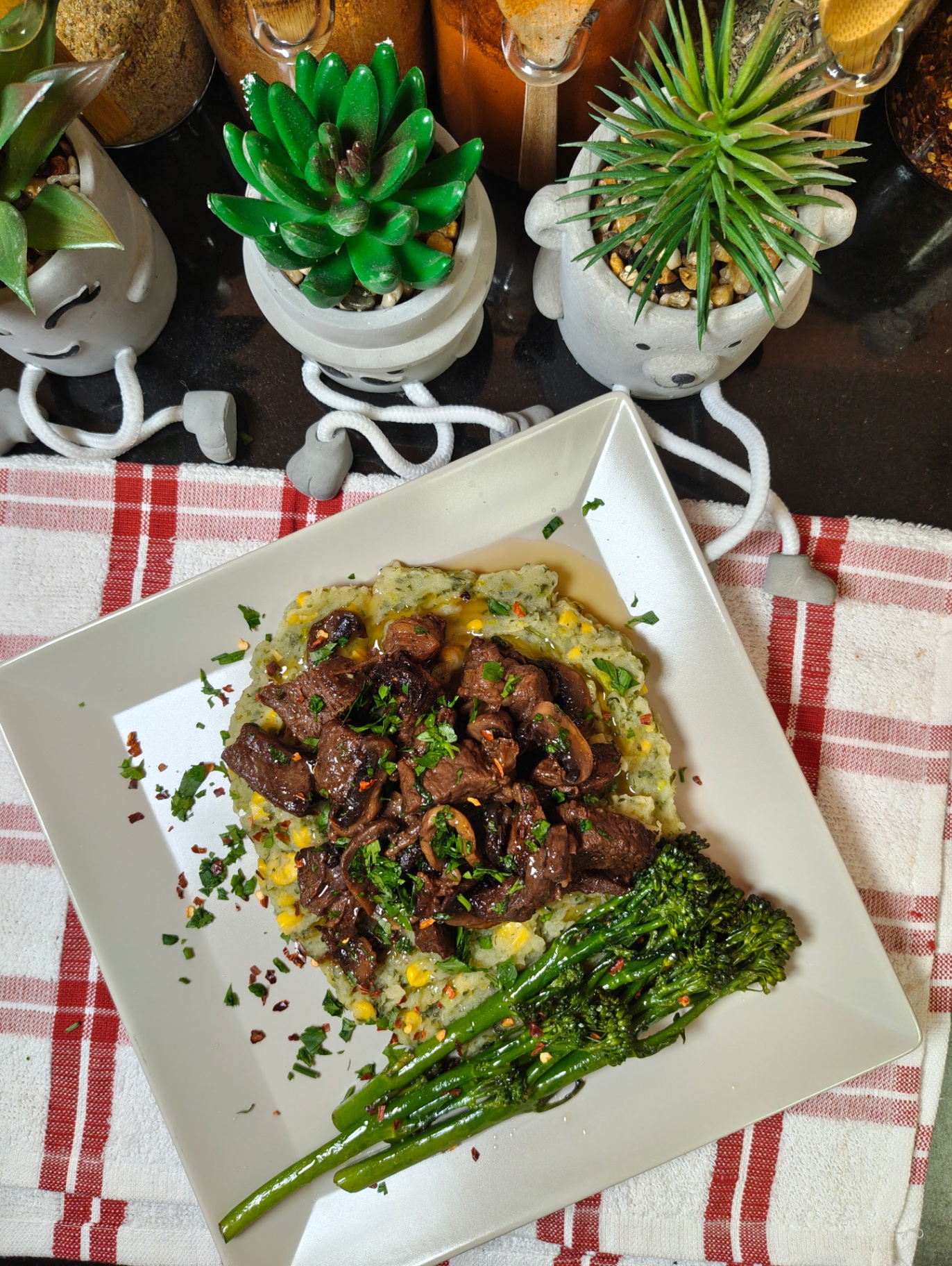
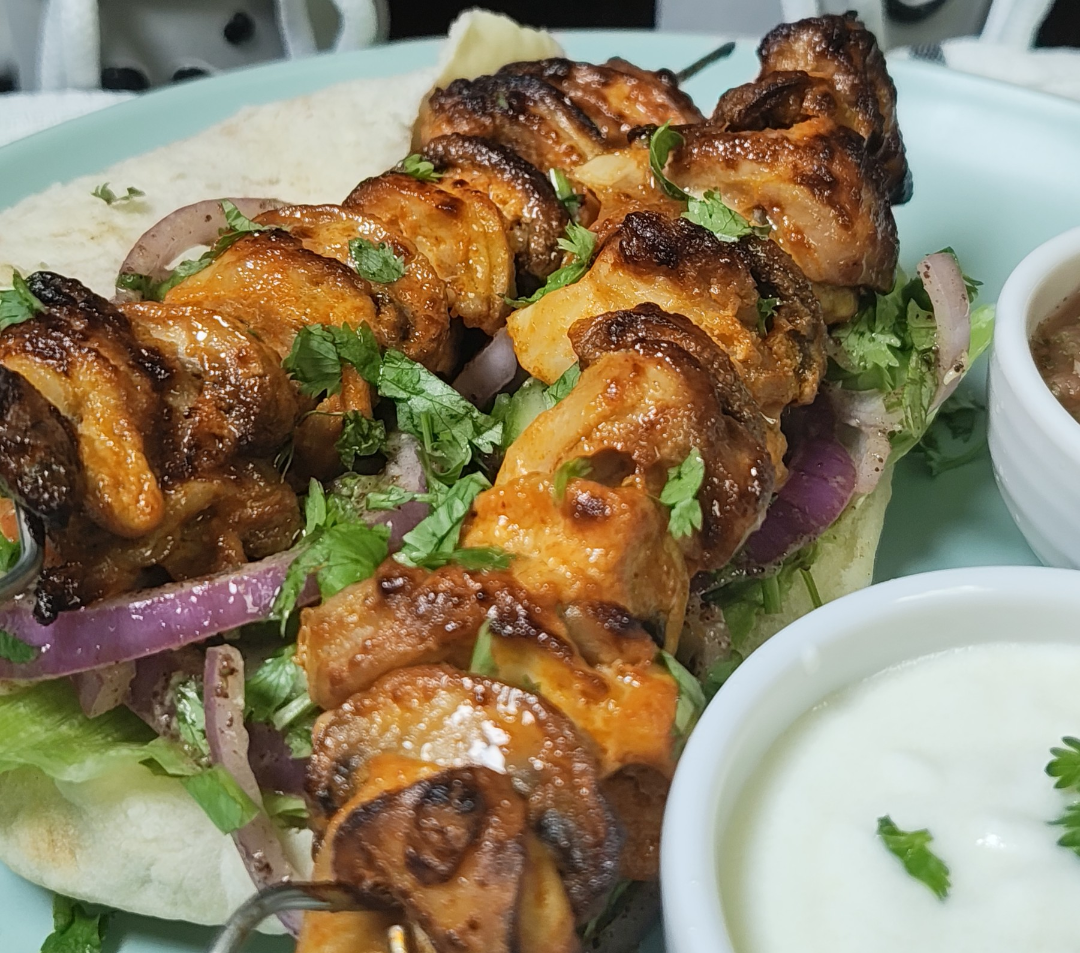
If you'd like to put this guide into practice, our Air Fryer Umami Butter Beef & Mushrooms is a savoury main that shows how well mushrooms brown in the air fryer, and the Air Fryer Chicken Tikka & Mushroom Skewers pair marinated chicken with mushrooms on the skewer.
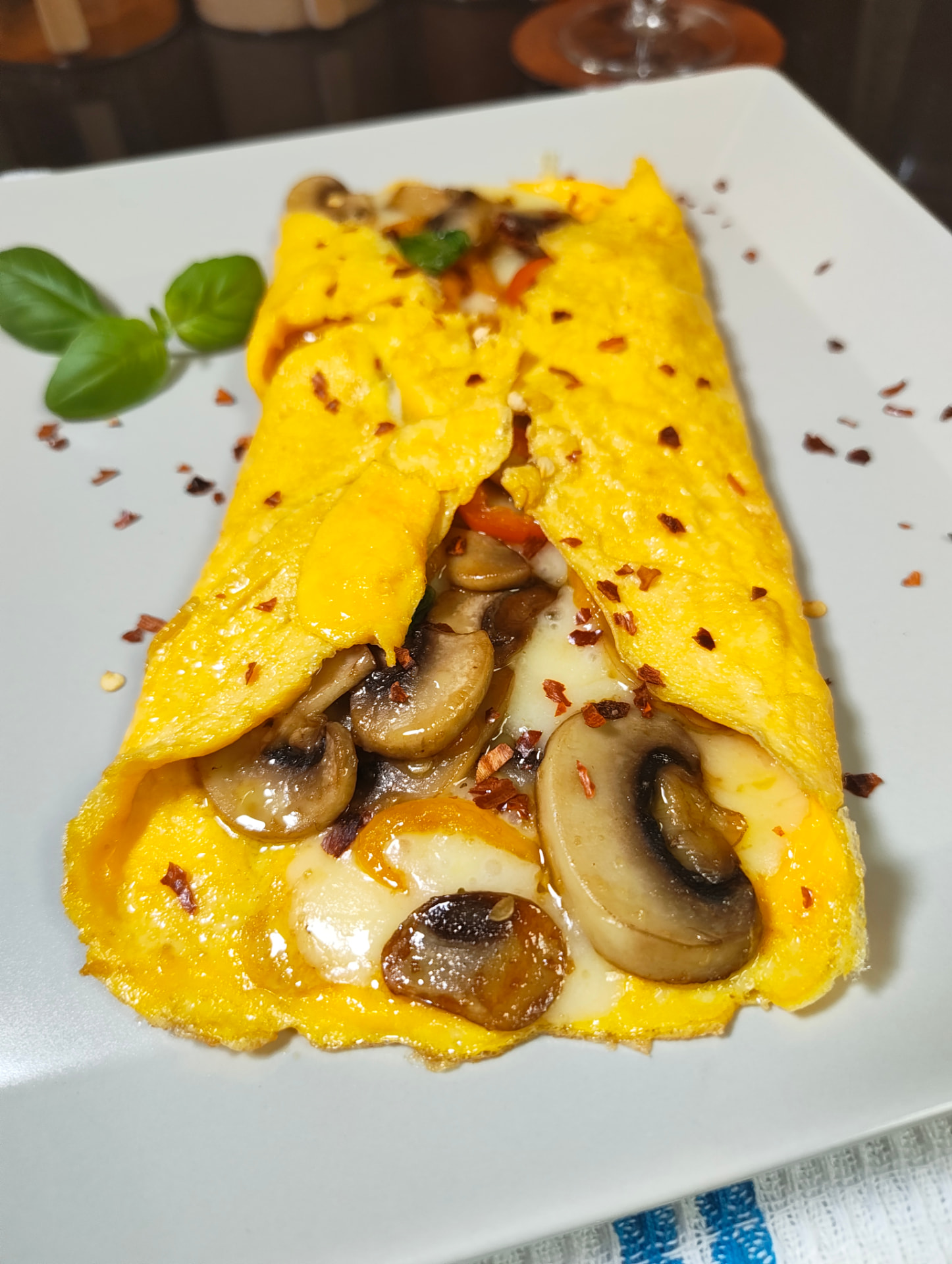
For breakfast, the Mushroom, Pepper & Cheese Omelette is a simple way to use sliced button or chestnut mushrooms.
A Note on Wild Mushrooms
This guide covers commercially cultivated mushrooms bought from shops. It doesn't cover identifying wild mushrooms.
Poisonous wild mushrooms can closely resemble edible varieties, and they should never be identified using photographs or general descriptions alone. Only eat wild mushrooms that have been identified by a qualified expert.